
AC Installation in Las Vegas, NV
A new air conditioner in Las Vegas will run from May through October every year. Tell us about the house, and a licensed contractor who covers Clark County will get in touch.
Tell us about the job
It takes about a minute.
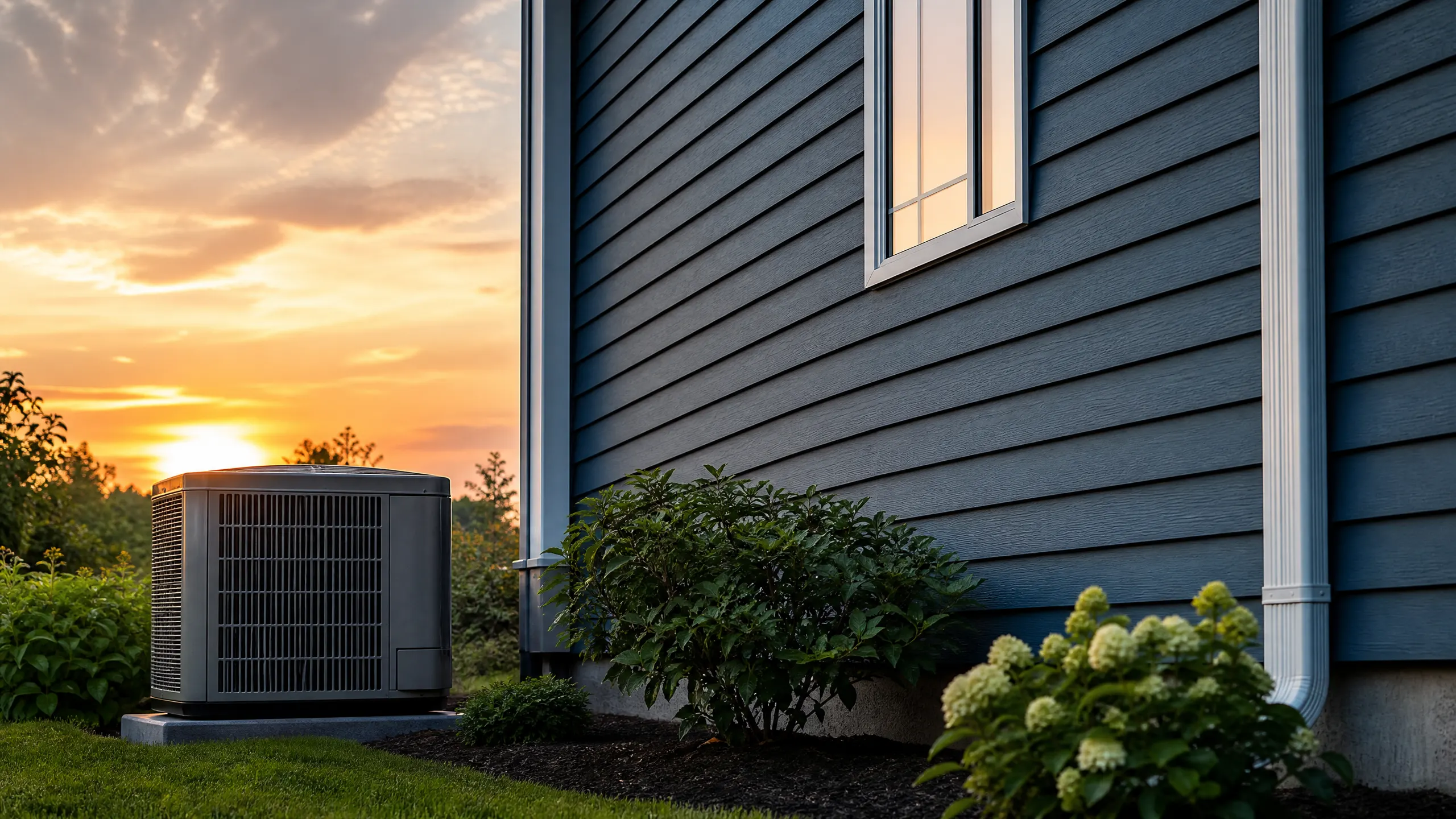
Six months of Las Vegas heat is hard on a new system
Your air conditioner runs from May through October here, six months of the year. Summer afternoons average 98°F, and the outdoor unit has to hold that line day after day for that whole stretch.
Any new central air conditioner installed today has to meet a federal minimum of 14.3 SEER2. Clark County has also logged 306 damaging wind events and 28 hail events over the past ten years, with hail up to 2 inches, so the outdoor unit needs to be set up to take that weather, not just cool the house.
- 6 months
- May through October, your air conditioner is on duty
- 98°F
- the average summer afternoon it cools against
- 28 hail events
- in ten years, and hail bends the fins on outdoor coils
- 13.4 SEER2
- the federal minimum any new unit must meet
NOAA nClimDiv, 1991–2020 normals
A higher-efficiency unit would save about $40 a year to run in Clark County compared with a new unit at the federal minimum.
Estimates for a typical Clark County home, from EIA household energy data, Nevada fuel prices and NOAA climate normals. Your home will differ.
Nevada requires HVAC contractors to hold a state license.
The Nevada State Contractors Board tests and licenses HVAC contractors before they can take on work like this. That license belongs to the contractor, not to any single job, so it travels with them from one installation to the next rather than being issued fresh each time.
For an air conditioner installation, the license is what stands behind the person doing the work, but the job itself still gets a second check. In most cities and counties in Nevada, installing a new air conditioner needs a permit from the local building office and an inspection once the work is done.
Sources: Nevada Legislature · Nevada State Contractors Board
- What size air conditioner does my house need?
- There's no single number that fits every home. A contractor works this out with a load calculation, which looks at your square footage, ceiling height, insulation, and window placement. Guessing high doesn't help. An oversized unit cools the air fast then shuts off before it pulls the humidity down, so rooms feel clammy even at the right temperature. An undersized one runs nonstop on afternoons that hit 98 degrees and still can't keep up. The load calculation is what gets you the right number for your house specifically.
- Should I replace the whole system or just the outdoor unit?
- In most cases, if the outdoor unit is failing, the indoor coil should go with it. The two are matched to work together, and pairing a new condenser with an old coil often means the system can't hit its rated efficiency, and it can void the warranty on the new part. If your system is old enough that the outdoor unit is failing, the indoor coil has likely logged the same years and hours. A contractor can look at both and tell you honestly whether the coil has life left in it or whether replacing just one piece will cost you efficiency and reliability down the line.
- Do HVAC contractors in Las Vegas need a state license to work on my home?
- Yes. Nevada requires HVAC contractors to hold a state license, issued through the Nevada State Contractors Board. That license covers the contractor as a business, not each individual job. For an AC installation, you'll also need a permit from the local building office, and the work gets inspected once it's done. That inspection confirms the installation was done to code, which matters for your safety and for anything you'd need to show if you sell the house later.