115°F
That's close to the outdoor temperature a heat pump can face on a hot Nevada afternoon, and the harder it pushes heat into air that hot, the more noise the compressor and fan put out.

Get the right pro for your heat pump
A heat pump that's screeching or rattling through a hot, dry Nevada summer is working hard against the heat, and that strain shows up as noise long before it shows up as a failure. This page gets into what's loud and why. Skip the runaround of calling shops one by one and get matched with a contractor who can look at your system.
Get my matchA loud heat pump in summer usually means the outdoor unit is straining to move heat out of the air when it's already hot outside, and dry heat makes the fan and compressor work harder than they would somewhere humid. A rattling sound often points to a loose panel or a fan blade hitting something as it spins. A screeching or squealing sound usually means the fan motor's bearings are wearing out, or a belt isn't involved at all but something inside is rubbing where it shouldn't. A buzzing sound can mean loose electrical connections or a failing capacitor, the part that gives the compressor and fan motor the jolt they need to start. None of these get quieter on their own, and running the system hard through a Nevada summer only speeds up whatever's already wearing. The sound is the system telling you something specific is wrong, not just that it's working hard.
Heat pump pulls in hot outside air over the outdoor coil
Compressor squeezes refrigerant, which is where most noise starts
Fan motor and blades spin faster to push out built-up heat
Loose panels, fan blades or worn bearings buzz or rattle under the load
Afternoons in Nevada push the outdoor temperature to its peak, and that's usually when the heat pump outside seems to work the loudest. You notice it most when you're sitting outside or have a window open, and the rattling or humming seems to get worse as the day goes on rather than staying steady.
A heat pump moves heat from inside your home to the air outside, and the hotter that air gets, the harder the compressor has to work to push heat into it. Nevada afternoons often bring the day's highest temperatures, so that's when the compressor runs at its hardest and the outdoor fan spins fastest to carry that heat away. Any looseness in the unit, a panel that's slightly open or a fan blade that's out of balance, gets worse under that load and makes more noise. A unit that runs quiet in the morning but gets loud by mid-afternoon is usually just working harder, not necessarily failing, though a sound that changes in pitch or gets sharp is worth having checked.






That's close to the outdoor temperature a heat pump can face on a hot Nevada afternoon, and the harder it pushes heat into air that hot, the more noise the compressor and fan put out.
A compressor, a fan motor, a set of bearings. When one wears or loosens, it's usually the only thing making noise, which is why a tech can often find it fast once they're looking.


Explain the job once and skip repeating it on every call.
No charge to send it. You decide if you hire them.

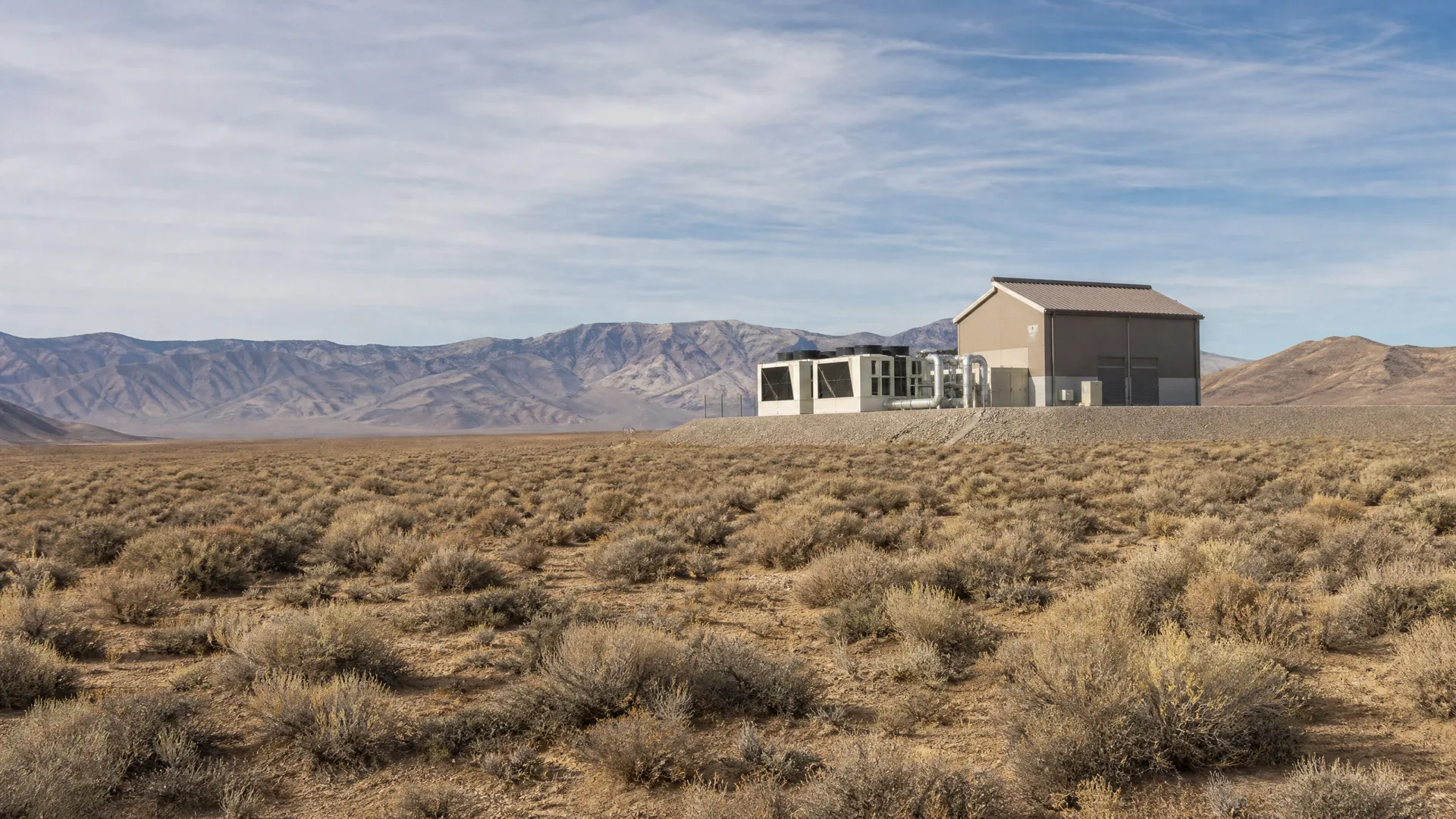
The outdoor unit sits on its pad with clear fins and an open disconnect box, nothing blocking the airflow around it. A heat pump in this shape still works to push heat out on a 110-degree day, but the sound stays steady and even, cycling on and off the way it's built to.

Dirt and weathering have built up across the fins, and that buildup chokes the airflow the unit depends on to move heat out of the house. The fan and compressor push harder to make up for it, and that extra strain is what you hear as new rattling or grinding.
Stand near the outdoor unit and listen. A grinding or squealing sound usually means a bearing in the fan motor is giving out. A metallic rattle that comes and goes with the fan's speed often means a blade has come loose or is hitting its housing. A buzz that gets louder as the afternoon heats up can mean a panel has worked itself loose from the vibration. If the sound has changed over the past few weeks, or the unit is louder than it was last summer, that's the compressor or fan working harder than it should. Left alone through a full Nevada summer, a loose part or failing motor tends to wear out other parts around it, and a noisy unit now can mean a bigger repair once the heat really sets in.

January dawn, and the side yard is still gray with cold. The heat pump sits coated in ice, thick over the coil and climbing up the housing. You hear it before you see it, a dull hum straining under the frost, the fan barely turning. Inside, the air coming from the vents has gone cool, not warm. The unit should have gone through a defrost cycle hours ago and melted this off, but the ice kept building instead. Nevada nights can drop well below freezing out here even with gas heat running the rest of the house, and this is the one cold-morning job that falls to the heat pump alone. You crouch down, touch the casing, and the cold comes right through your glove.
At 13.26 cents a kilowatt-hour, running your heat pump harder than it needs to costs you more than it should every time the bill comes. A noisy compressor or fan straining through the heat isn't just annoying, it's pulling extra power while it struggles.
EIA-861 2025 statewide residential average

Most of the noise you hear in a Nevada summer traces back to one part under strain: a bearing wearing out, a blade knocked loose, a compressor pushing against heat it wasn't built to fight alone. The sound tells you where to look, and whether it's a quick fix or a part that needs replacing is something only a technician can say for sure once they've had a look at your unit.
That's the part you don't have to sort out by yourself. Instead of calling around to different shops, describing the same rattle or squeal over and over, and weighing quotes against each other, you get matched with a contractor who takes on your specific situation and reaches out to you directly. You've already done the work of listening to what your unit is telling you. The next step is letting someone who repairs these for a living take it from here.


Skip searching for a heat pump pro and answer a few questions instead.
