
Dryer Vent Cleaning in Carson City, NV
Tell us about your home, and a licensed contractor who covers Carson City will get in touch.
Tell us about the job
It takes about a minute.

Cold vents make lint stick
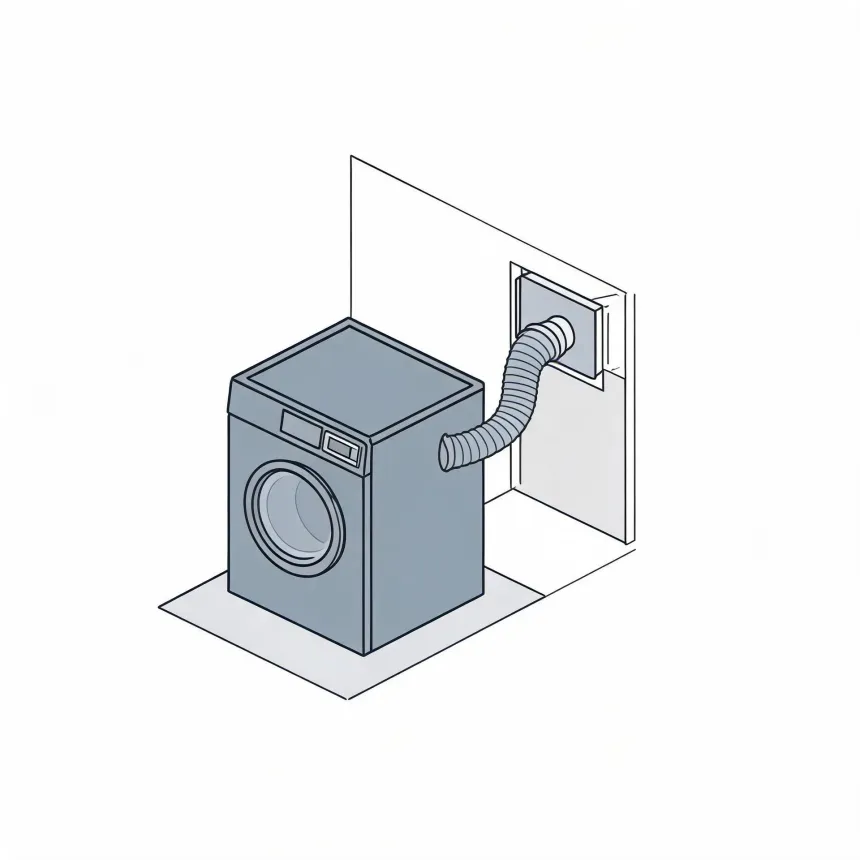
Every load pushes warm, damp air out through the vent. Once that vent runs through a cold space, the air cools fast and the moisture in it settles on the walls of the duct. Lint clings to that dampness instead of blowing straight through to the outside hood. Carson City nights average 25°F from December through February, cold enough to chill a vent run all winter long.
A vent that is narrowing with lint gives the dryer less room to push air out. Loads start taking longer, and the air coming off the machine runs hotter than it should. That heat has nowhere to go but back into the vent and the wall around it.
- 25°F
- the average winter night, and cold vents catch damp lint
- 8 months
- October through May, the vent stays cold
NOAA nClimDiv, 1991–2020 normals
- How often should a dryer vent be cleaned?
- Once a year is the standard advice for most households. Homes that run the dryer more, larger families or households drying loads daily, may need it checked more often. A vent that is slow to clear when a contractor gets to it is usually a sign it went too long between cleanings.
- Can I clean my dryer vent myself?
- You can clean the lint trap and the first few feet of duct behind the dryer, but that is not the whole vent run. Most vents travel through walls or the attic before reaching the outside hood, and lint collects along the whole length, not just at the ends. A contractor uses a brush and vacuum system built to reach the full run and clear the vent hood outside too.
- What are the signs of a clogged dryer vent?
- Clothes that take more than one cycle to dry, a dryer that feels hot to the touch on top, and a burning smell during the cycle are the main signs. You might also notice the vent hood flap outside barely moves when the dryer runs, which means air isn't getting through. A stronger lint smell than usual near the dryer is another clue worth paying attention to.