Why your house is so dusty in Nevada

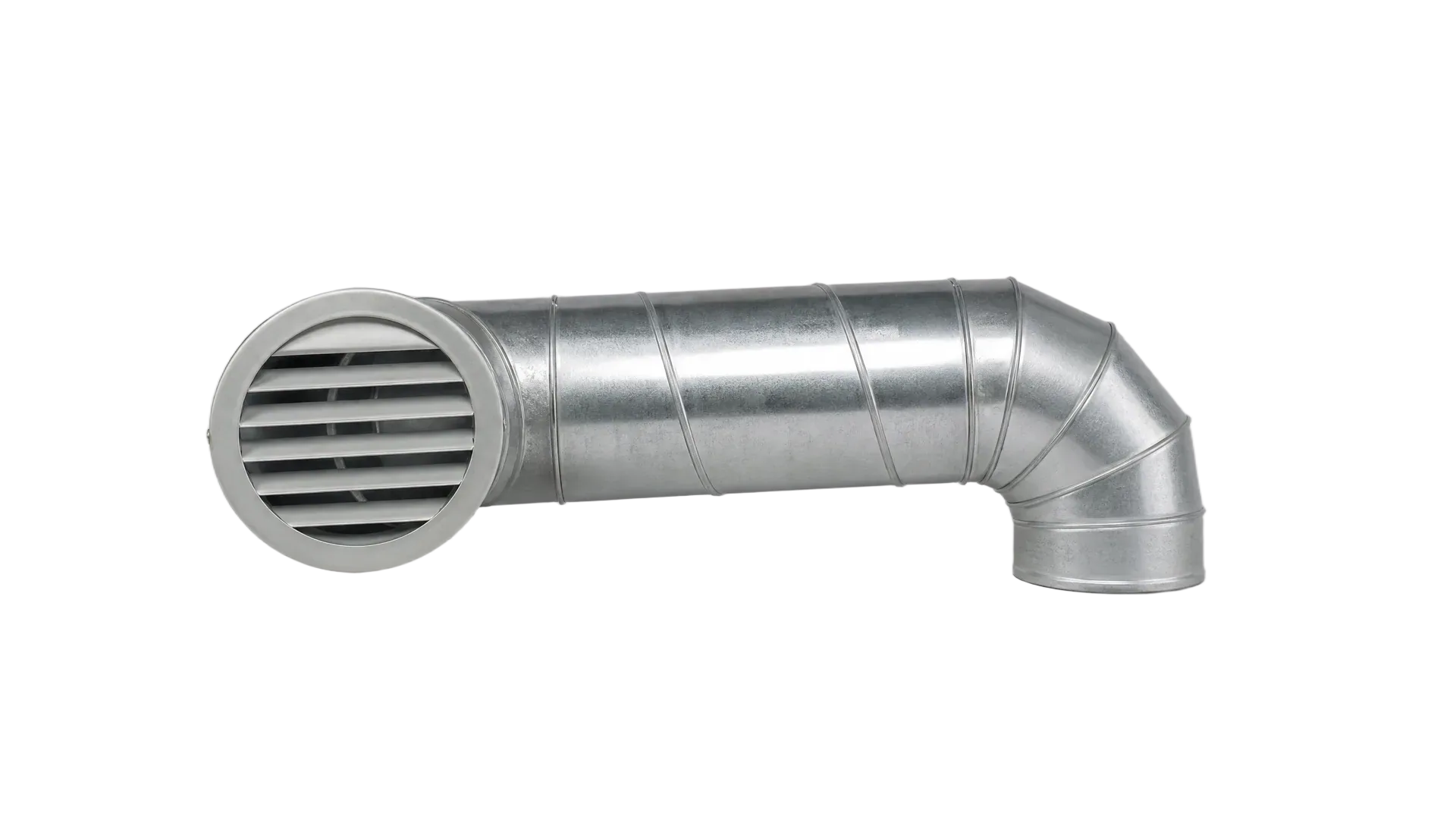
A galvanized steel round duct section with a 90-degree elbow at one end and a louvered vent grille at the other, photographed against a plain gray background.
Describe it once

Why is my house so dusty here in Nevada?

You dust the shelves and by the end of the week there's a film on them again. It's not your imagination and it's not a cleaning habit you're missing. In a dry climate like this one, dust behaves differently than it does in places with more moisture in the air, and it finds its way into the house through the one system that's always moving air around: your ducts.

Your ducts are circulating dust the dry Nevada air keeps airborne

Nevada's dry climate means dust doesn't settle and stay put the way it does somewhere humid. It stays suspended in the air longer, so your duct system pulls it in and pushes it right back out through every vent in the house. Gas furnaces run a lot of air through those ducts across the winter months, and that return air pulls in whatever has settled inside the ductwork since the last time anyone looked at it. Dust that collects in the return line and in the branches feeding each room gets redistributed every time the system cycles on. A buildup inside the ducts themselves means the house keeps reseeding itself with dust no matter how often you wipe it down.

A dim room interior with a beige wall, a ceiling vent, a curtained window showing green trees outside, a beige sofa with a dark cushion, and a dark side table at left.

Saturday afternoon, late April, and the light through the living room window is doing you no favors. You're on the couch when you catch it: the ceiling vent grille above you is rimmed gray, and a fine coat has settled over the end table and the top of the TV stand since you last wiped them down. You ran your hand along the grille slats without thinking, and now there's a smudge on your fingers. Outside it's already dry and climbing toward summer heat. The air handler kicked on twenty minutes ago and you can hear it still running. You get the microfiber cloth from the kitchen, wipe the table again, and glance up at the vent, knowing it'll look the same way by next weekend.

Clean Ducts or New Filter First

Clean the ducts

  • A contractor clears out the dust sitting in the supply and return lines so it stops recirculating every time the system cycles on.
  • Grilles stay cleaner longer afterward since the fine dust that was rushing out of them has nowhere left to collect and blow from.
  • Nevada's dry air keeps dust loose and airborne rather than clumped, so cleaned ducts take time to refill with that same fine grit.
  • Someone local who services these systems every summer can tell you if the ductwork itself is leaking air at the joints, which pulls in attic or crawlspace dust along with the house dust.
  • It addresses what's already built up, not what keeps arriving, so a dusty attic or a loose duct joint will refill the system again eventually.

Replace the filter

  • A new filter catches what's moving through the system right now, which matters most if the one in there is past its rated life.
  • It costs far less than cleaning and takes a few minutes, so it's the first thing worth checking before calling anyone out.
  • It does nothing for dust already coating the inside of the ducts themselves, which keeps shedding into the airflow regardless of filter condition.
  • Gas furnaces here run the blower often enough through the mild winters that a cheap or clogged filter gets overwhelmed fast, letting more dust through than it should.
  • If the ducts are leaking or the filter is the wrong size for the return, a fresh filter won't stop dust pulled in from outside the duct system.
Empty unfinished basement with bare concrete floor, insulated walls with vapor barrier between wood studs, exposed wood joists, galvanized sheet-metal ductwork, a recessed light, and a steel support column.

Ducts Moving Clean Air

This is a system doing what it should. Air comes back through the return, passes through the filter, and goes out through the supply runs without picking up anything extra along the way. Vents stay clean longer and the house doesn't need dusting every few days.

Empty basement room with bare concrete walls and floor, exposed wooden floor joists overhead, large galvanized sheet-metal ducts with a vent grille, colored pipes, and a single lit bulb.

Ducts Loaded With Dust

Here the sheet metal is carrying more than air. Years of fine Nevada dust have settled inside the runs, and every time the blower kicks on, some of it rides along into the rooms. You can dust the end table on Monday and find a film on it by Thursday.

A smiling woman with long dark hair in a gray sweater sits at a white stone counter with a glass of white wine, with a kitchen, fireplace and sofa visible behind her.
A smiling woman with dark hair in a cream sweater sits at a marble table with a glass of red wine, with a lit lamp, sofa, fireplace and kitchen counter behind her.
A woman in a cream sweater laughs while seated at a marble countertop with a glass of red wine, with a dimly lit living room and sofa behind her.
A woman in a beige turtleneck sweater with her hair up sits laughing and looking to the side at a white marble table with a glass of red wine, in a dimly lit interior with a lamp and seating area behind her.

Skip the calls to every shop

Your duct cleaning request goes to one local pro.

There's no charge for the request.

Why Nevada's dry air is the cause

Dust in a humid climate clumps and settles fast because moisture weighs it down. Nevada doesn't give it that. The air here stays dry enough that fine particles stay airborne far longer, so instead of settling once and staying put, they ride the airflow back into your return vent and through your ducts again and again. Each pass through a dusty duct picks up more before it's pushed back into the room. That's the cycle a duct cleaning breaks, by taking away the supply the air keeps drawing from.

Why gas heat adds to it

A gas furnace pulls combustion air and pushes heated air through the same ducts your AC uses all summer, so whatever has built up inside gets stirred loose twice a year instead of once. The switch from cooling to heating each fall moves dust that's been sitting still in the lines since spring. If you've noticed the film getting worse right around when you turn the furnace on, that's the ducts emptying out what they collected over the summer, straight into the air you're breathing.

A smiling bearded man in a dark crewneck sweater sits at a dinner table with a lit candle, glasses of wine and water, and plates of food in the foreground, with a lamp, framed art and a potted plant behind him.
A woman with dark hair in a bun reclines on a gray sofa with her eyes closed and a slight smile, wrapped in a cream knit sweater and blanket, with an open book resting in the foreground and a lit lamp in the dim room behind.

Leave it alone

The dust keeps circulating every time the system cycles. You keep wiping the same shelves and vents, and the film comes back within days.

Skip calling around

Get the ducts cleaned

A local contractor who works on these systems all summer clears what's built up in the lines, so there's less of it left to blow back into the house.

Skip calling around

Why does everything feel gritty a day after you clean

Run a finger along the top of a picture frame or a door jamb and it comes back gray sooner than it should. The ceiling fan blades grow a soft fringe even when nobody's touched the switch in days. You sneeze more at home than you do anywhere else, and the air coming out of the vent smells faintly stale, like the inside of a box. None of that is about how often you clean. It's what's riding the air every time the furnace or the AC kicks on. Left alone, that's more filters to swap, more allergy flare-ups for anyone sensitive in the house, and a system working harder to push air through lines that are carrying more than air.

Unfinished basement with bare concrete floor and walls, exposed wood joists, large galvanized sheet-metal ductwork, PVC and copper piping, and a gray furnace unit beside wood stud framing.
Ducts like this move air through the house without adding anything to it, so dust stays at whatever level you're actually generating.
Basement ceiling with large galvanized sheet-metal ductwork, round metal pipes and plumbing lines running beneath wood joists, above a bare concrete wall and floor.
Water staining on the foundation wall and dust-caked joists mean the ducts themselves are feeding the air that's settling on your shelves.

Power costs 13.26 cents per kilowatt-hour statewide

At 13.26 cents a kilowatt-hour, running the blower longer than it needs to doesn't hit your bill hard the way it might elsewhere. That's worth knowing before you write off a duct cleaning as not worth the trouble. The cost that matters here is what's settling on your furniture, not what it takes to keep air moving through the system while someone deals with it.

EIA-861 2025 statewide residential average

Empty basement with bare concrete walls and floor, a small window at left, and exposed wood joists with galvanized sheet metal ductwork and pipes overhead.

Clean ducts, clean air

This is what the inside of your system should look like. Bare metal, no buildup, just the gas lines and ductwork doing their job. Air moves through without picking up anything along the way, and what comes out the vents is only what you put into the air yourself.

Dusty sheet-metal HVAC ducts with a rectangular vent register run beneath wooden floor joists above an empty concrete-walled basement.

What's actually feeding the dust

This is the buildup a contractor finds once the ducts come down from the joists. Every cycle pushes air across that coating and carries some of it into your rooms. Those gray vent rims and the film on your end table are coming from somewhere, and this is where.

The dust isn't a mystery anymore. The air here is dry enough to keep it floating instead of settling, and if it's riding through ducts that have buildup in them, your system is adding to what you're already breathing. Cleaning the ducts takes that part out of the equation. You won't stop dust from existing in a desert, but you can stop your own system from making more of it. A contractor who works on ducts in Nevada homes all summer has seen what a dry climate does to a system over the years and knows where it tends to build up and why. Finding that person usually means a handful of calls, explaining the same vent and the same gray film to each one, then sitting with quotes that are hard to compare because no two companies looked at the same thing. Here, one local contractor takes the call, looks at your situation, and tells you what's actually in your ducts. No comparing, no repeating yourself, no second opinion you have to go chase down on your own.

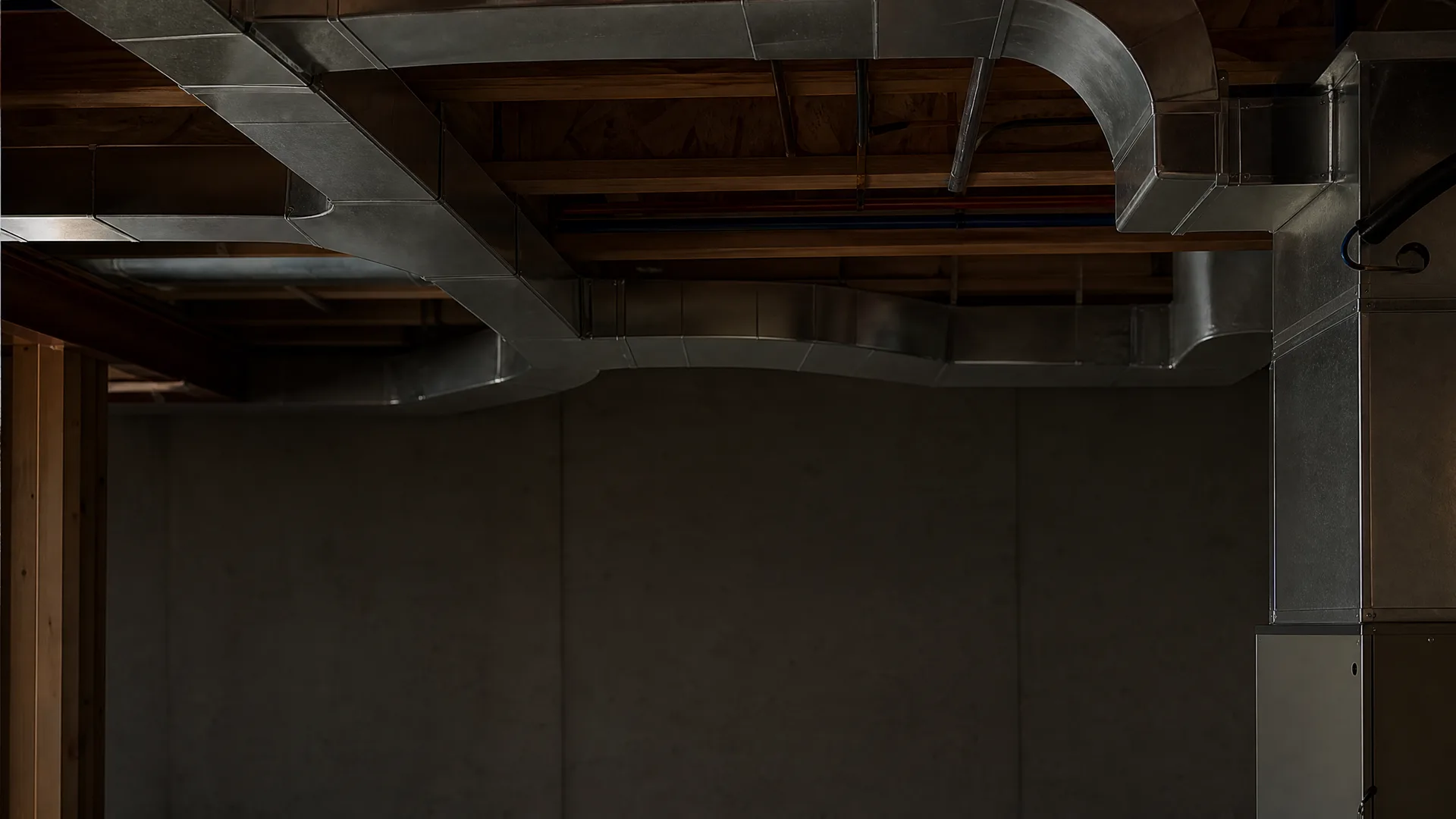
Dimly lit interior showing galvanized sheet-metal HVAC ductwork running below a wooden joist ceiling above a dark gray wall.

Describe it once

Your request stays with one local pro.

Duct and vent cleaningDucts or ventsNevada
Step 1 of 2

What ZIP code is the job in?