Ductwork doing its job
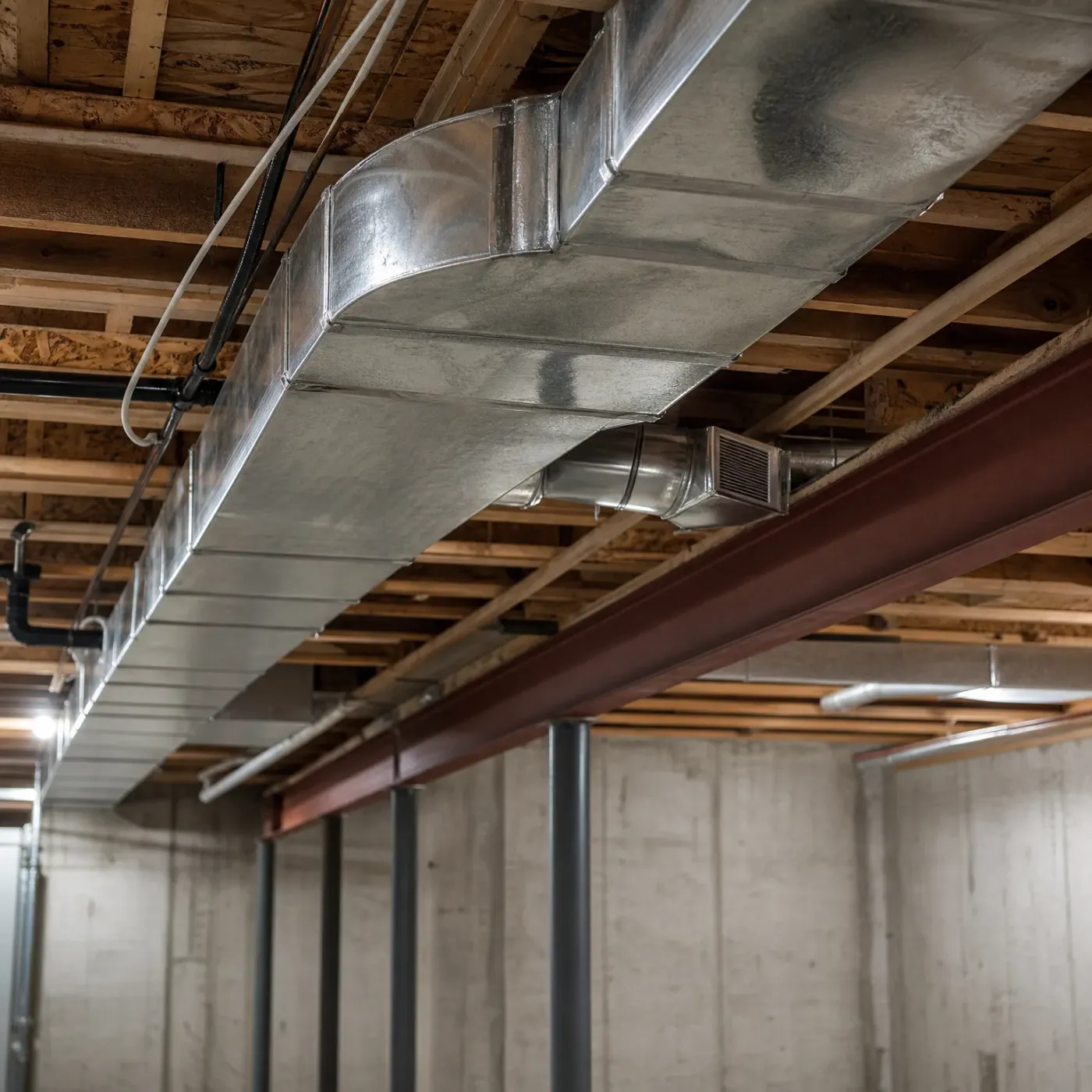
This is what a duct system looks like when there's nothing to fix. Supply and return runs are intact, connected, and sealed at the joints. Air moves through them the way it was designed to, dust inside or not.
For most homes in Nevada, duct cleaning isn't worth paying for on its own. Dust and dry debris build up in ducts here because the air is so dry, but that buildup doesn't make your furnace or AC run worse or push your bill up. What actually matters is whether your system is sealed and insulated well enough to handle summer heat without losing cooled air along the way, and that's a duct sealing or repair question, not a cleaning one. Cleaning can make sense if you can see dust kicking out of your vents, if someone in the house has allergies that flare up indoors, or after work that leaves debris in the lines. Outside of those cases, you're paying to move dust around in a system that was already working fine.


Dust doesn't settle evenly through a duct system. Gravity pulls it down, so it piles up along the bottom of horizontal runs, especially the return duct that pulls air back toward the furnace or AC before it reaches the filter. That's the part of the system doing the most collecting, and it's also the part closest to the filter, which is the component actually responsible for cleaning the air. The ducts themselves are just the path the air travels. In a lot of the country, that dust mixes with humidity and turns into a paste that clings to the duct walls. Nevada's air is too dry for that. Dust here stays loose and powdery, so it sits where it lands instead of building up into a coating. That's a big part of why a visual check matters more than a cleaning schedule in this climate. What does call for a contractor's attention isn't dust at all. A section of ductwork crushed during an attic repair, a run knocked loose, or a gap at a joint where rodents or insects got in and left droppings or nesting material behind, none of that gets caught by a filter, and none of it shows up as "dusty." It shows up as a smell coming from a vent, a room that's not getting airflow, or a register that used to blow strong and now barely moves air. Those are mechanical problems, and they're worth having someone look at, regardless of how clean the ducts look.




Send the form and the duct cleaning stops sitting on your list.
Your duct cleaning request goes to a local pro who does this work.
You're not committing to anything by asking.
You dust a shelf, and a few days later it's back. You notice it most on the vent covers, a gray film that shows up faster than it should. Some rooms get stuffy by afternoon even with the AC running, and you might hear a tick or a rattle in the ductwork when the system kicks on. None of that means the ducts are dirty in a way that matters. It means Nevada air is dry and dust moves through the house on its own. Where it's worth paying attention is a vent that barely pushes air, a musty smell after the swamp cooler or a leak has run, or a return that pulls straight from the garage. Those put your air quality and your equipment at risk. Loose dust on duct walls does not.

This is what a duct system looks like when there's nothing to fix. Supply and return runs are intact, connected, and sealed at the joints. Air moves through them the way it was designed to, dust inside or not.

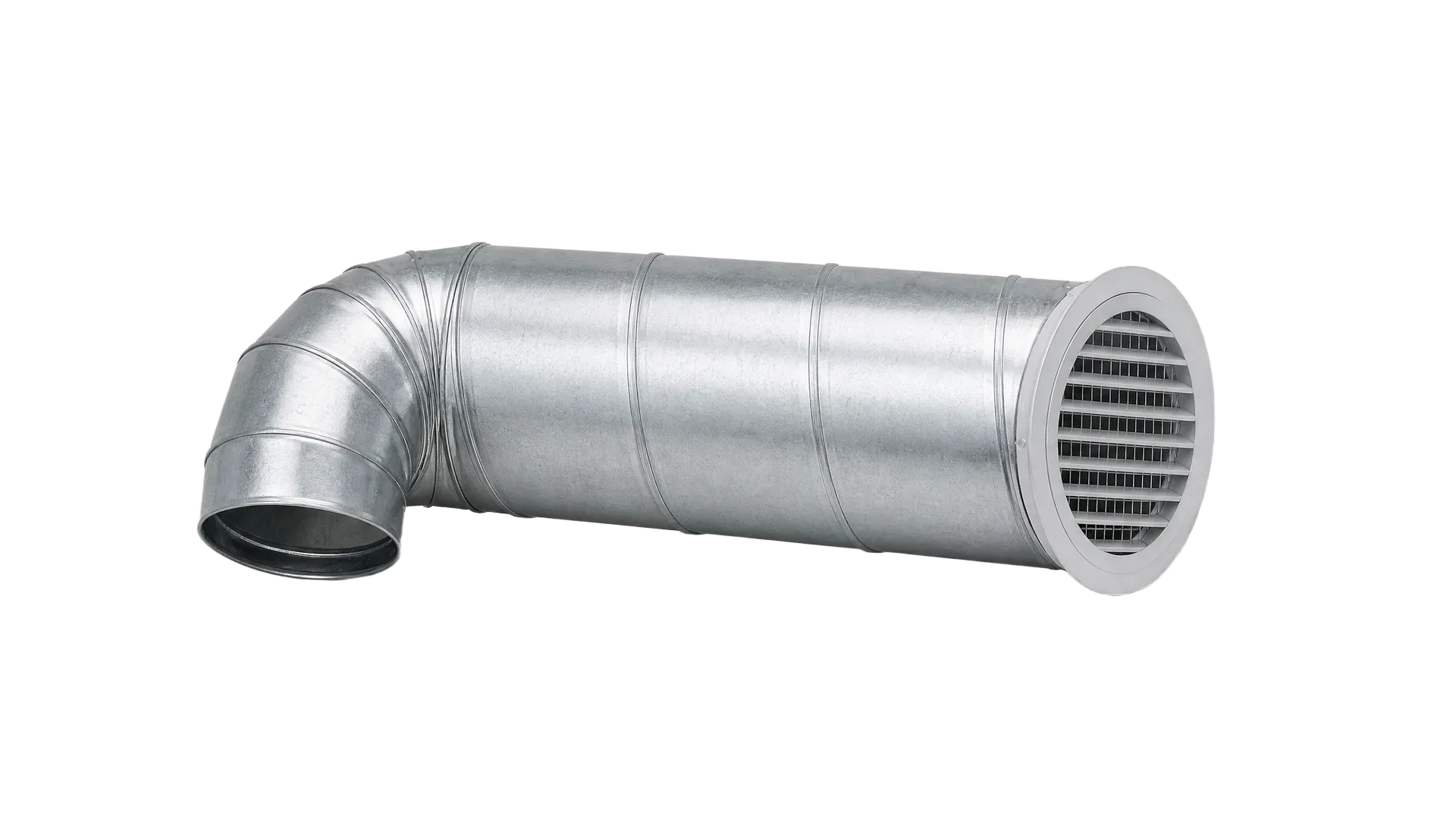
Here the problem isn't what's built up inside, it's the run itself. A crushed section, a disconnected joint, or a gap at a floor joist lets air escape before it reaches the room. That's a repair, not a cleaning.
At 13.26 cents a kilowatt-hour, running your AC through a dry, dusty duct system costs the same as running it through a clean one. Dust sitting in the ducts doesn't make the blower work harder or push that rate against you. A crushed or leaking run will, but that's a repair, not a cleaning.
EIA-861 2025 statewide residential average
The filter sits in the return before air reaches the furnace or coil, and it's built to catch what passes through it. Dust that settles in the ducts themselves already missed that stage, sitting on metal instead of moving through the system. A dirty filter restricts airflow and makes the blower work harder. Dust resting in a duct run doesn't touch the blower at all. If you're trying to cut down on dust in the house, changing the filter on schedule does more than having the ducts cleaned ever would.
Furnaces and AC systems here wear out from short cycling, low refrigerant charge, a failing capacitor, or a cracked heat exchanger, not from dust sitting in the ducts. None of those failures start because debris built up in a supply run. A technician checking for wear looks at the furnace and the coil, not the ductwork. If your system is aging and you're worried about it, a maintenance visit on the equipment itself tells you more than opening up the ducts would.


A tech opens access ports cut into the main supply and return trunks.
A vacuum unit attaches to the trunk line to pull negative pressure.
A brush or air whip knocks dust loose inside each duct run.
Loosened dust and debris pull out through the vacuum into a sealed container.

Dust in your ducts isn't costing you anything, so cleaning alone isn't the fix for a stuffy room or a higher bill. What's worth checking is the ductwork itself, whether every run is intact, connected, and sealed the way it was supposed to be. That's a different job than cleaning, and it's the one that actually changes how your system performs.
If you're not sure which one your ducts need, that's not something to guess at from the attic. A contractor who works on duct systems in your area can look at what you've got and tell you whether it's a cleaning, a repair, or nothing at all. Once you send the request, that part isn't on you anymore. Someone who knows what to look for takes it from here and reaches out to sort it out with you directly.



Get your ductwork to the right pro
Send the form and finding a duct cleaner is handled.