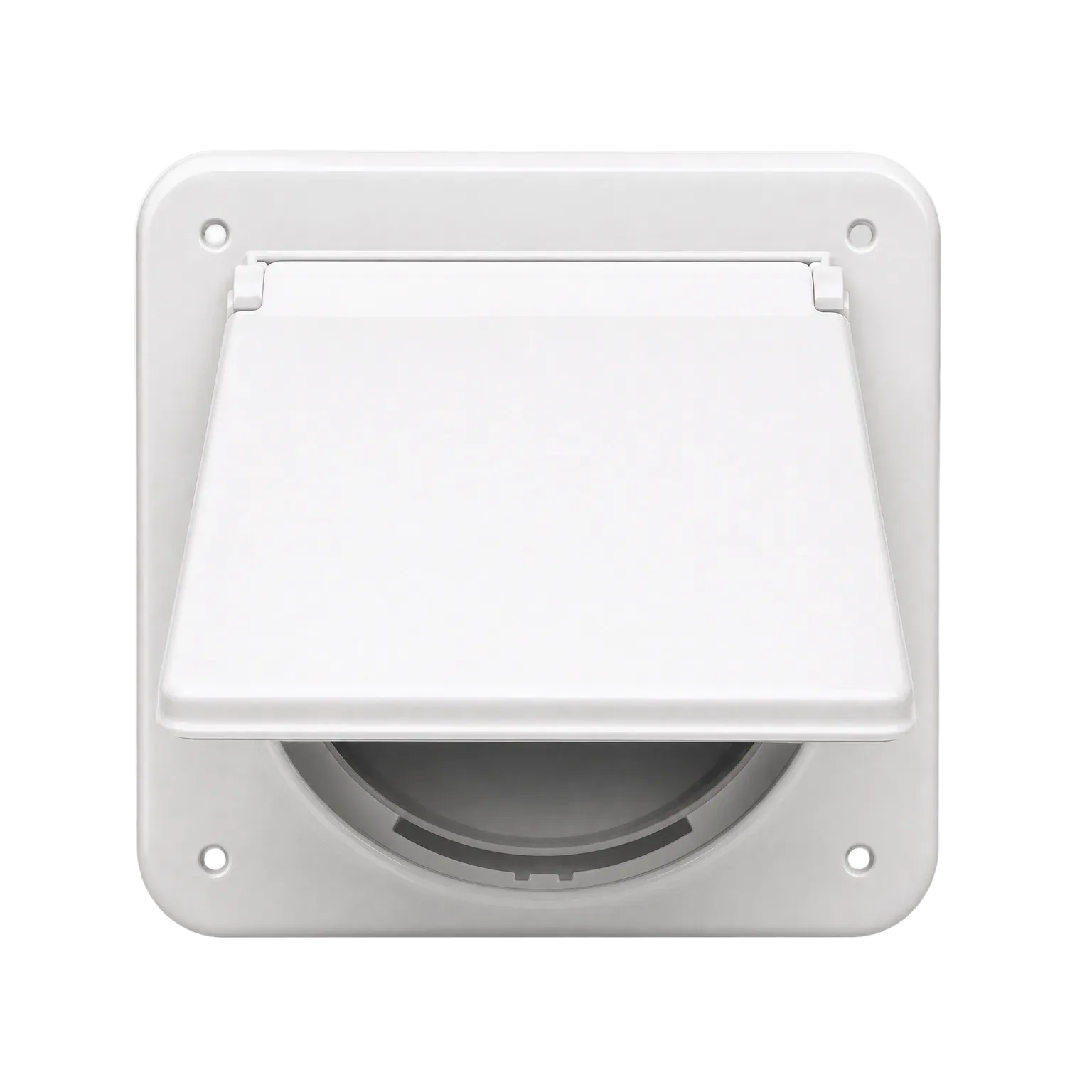
A bird in your dryer vent usually means a sparrow or a finch built a nest right where the vent hood opens to the outside. The flap on that hood is supposed to keep anything from getting in, but if the spring is weak or the flap is stuck open, birds treat it as a ready-made spot to raise their young, especially in spring. Once a nest is in there, it blocks the path your dryer needs to push hot, damp air outside. Your dryer will take longer to dry a load, the outside of the machine or the laundry room may run hotter than usual, and lint that can't escape starts piling up behind the blockage. That lint is the real danger, since it catches fire easily once it builds up against a heat source. A vent that's been nested in for months, through a Nevada summer, has likely packed in more lint than a vent that's had a bird there a few weeks. Either way, the nest and whatever it's trapped need to come out before the dryer runs again.
Power costs 13.26 cents per kilowatt-hour statewide
At 13.26 cents a kilowatt-hour, running a dryer is already cheap here next to most of the country. A nest blocking the vent erases that edge fast, since the dryer has to run longer to get clothes dry. Clear the vent and you get that lower rate back.
EIA-861 2025 statewide residential average
A nest in the vent doesn't just slow the dryer down. It traps the heat and lint the dryer is pushing out with nowhere to go, and that's how vent fires start.
Clear the vent now and that risk is gone. A contractor local to you who works on dryer vents every week can tell you fast whether it's just a nest or the flap itself needs replacing.




The flap on your dryer vent only opens when the dryer is running and pushing air out. The rest of the time it sits closed, or it's supposed to. When the spring weakens or the flap sticks, there's a dark, sheltered opening right next to a heat source, and that's exactly what a bird looks for when it's building a nest in spring. The nest doesn't have to fill the duct to cause trouble. Lint clings to feathers and nest material in a way it never clings to bare metal, so a small amount of material in there traps far more lint than its size suggests. As the airflow narrows, the dryer's thermostat starts cycling the heating element on and off more to hold the drum temperature, which is often the first sign something's wrong, long before the dryer flags an error. Whether a contractor can clear it in one pass depends on the duct itself. Rigid metal lets the nest get pushed straight out. A flexible or crushed section usually means working it loose in pieces.
How a Nest Actually Blocks the Vent
- The hood flap on a dryer vent is spring loaded or gravity hinged, and it only opens when the dryer is pushing air out.
- Birds look for a dark, sheltered cavity in spring, and a vent hood with a weak flap gives them one close to a heat source.
- A nest built in the duct itself, not just the hood, blocks airflow well before the dryer ever shows a warning.
- Lint sticks to nest material and feathers in a way it doesn't stick to bare metal duct, so a small nest traps more than its own size.
- Once the vent run is narrowed, the dryer's thermostat cycles the heating element on and off more often to keep the drum temperature up.
- A rigid metal duct lets a contractor push a nest out in one pass, while a flexible or crushed section usually has to be cleared in pieces.


A bird carries nesting material into the open vent hood.
The nest packs into the duct near the hood opening.
Lint drifting from the dryer catches in the nest and builds up.
Airflow drops, so the dryer runs longer and heat has nowhere to go.


A local pro for your dryer vent cleaning
A nest wedged into the vent hood isn't something you clear with a vacuum and a coat hanger. It's usually packed in past the flap, mixed with lint, and the duct run behind it is longer than what you can reach from outside. Pulling it loose wrong can push debris further into the line instead of out. A contractor who works on dryer vents across Nevada all year has pulled plenty of these nests before yours and knows how far the duct typically runs from the hood to the wall, what tools get the material out without tearing the duct, and how to check that the flap closes right once it's clear. You get matched with one local contractor for this, not a handful of companies competing for the job, so the person who calls you is the one who'll actually show up and look at your vent. With spring nesting season here, the sooner that flap is checked, the less chance another bird gets the same idea.
Where This Leaves Your Dryer
- A bird nest in the vent hood means heat and lint stay trapped instead of venting outside.
- Clearing the nest restores the airflow your dryer needs to dry clothes in one cycle instead of two or three.
- A local contractor who clears dryer vents through every nesting season knows where birds pack material and how to pull it without pushing debris deeper into the duct.
- Working with one licensed contractor instead of several means one visit, one person who already knows what to check.
- Nevada's dry summers don't stop birds from nesting in spring, so a vent hood with a weak flap stays a target year after year.
- Once the vent is clear and the flap seats right, the dryer runs the way it was built to.
A bird nest in the vent hood comes down to one thing: the dryer is pushing out heat and lint that have nowhere to go. Once that material is cleared and the flap closes the way it should, the dryer goes back to drying a load in one cycle, and the hood stops looking like a place to build a home. That part doesn't change on its own. Spring brings birds back every year, and a flap that's weak now will still be weak next spring unless it's fixed.
Getting someone out to look at it is straightforward. A contractor local to you who handles dryer vents all through nesting season has pulled this kind of nest before and knows how far back it usually packs and how to get it out without driving debris deeper into the duct. That's not guesswork on a first visit. It's someone who's seen the same sparrow-built mess behind a dozen other hoods in the area and knows what the duct run looks like on the other side.
You're also only dealing with one contractor, not a handful calling you back at once. One person looks at the vent, clears it, and checks that the flap seats properly when the dryer kicks on. No comparing quotes from three different companies, no repeating the problem over and over. Just the vent cleared, the flap working, and the dryer back to running the way it did before a bird ever got near it.

Get the right pro for your dryer vent
The pro who reaches out is licensed in Nevada.