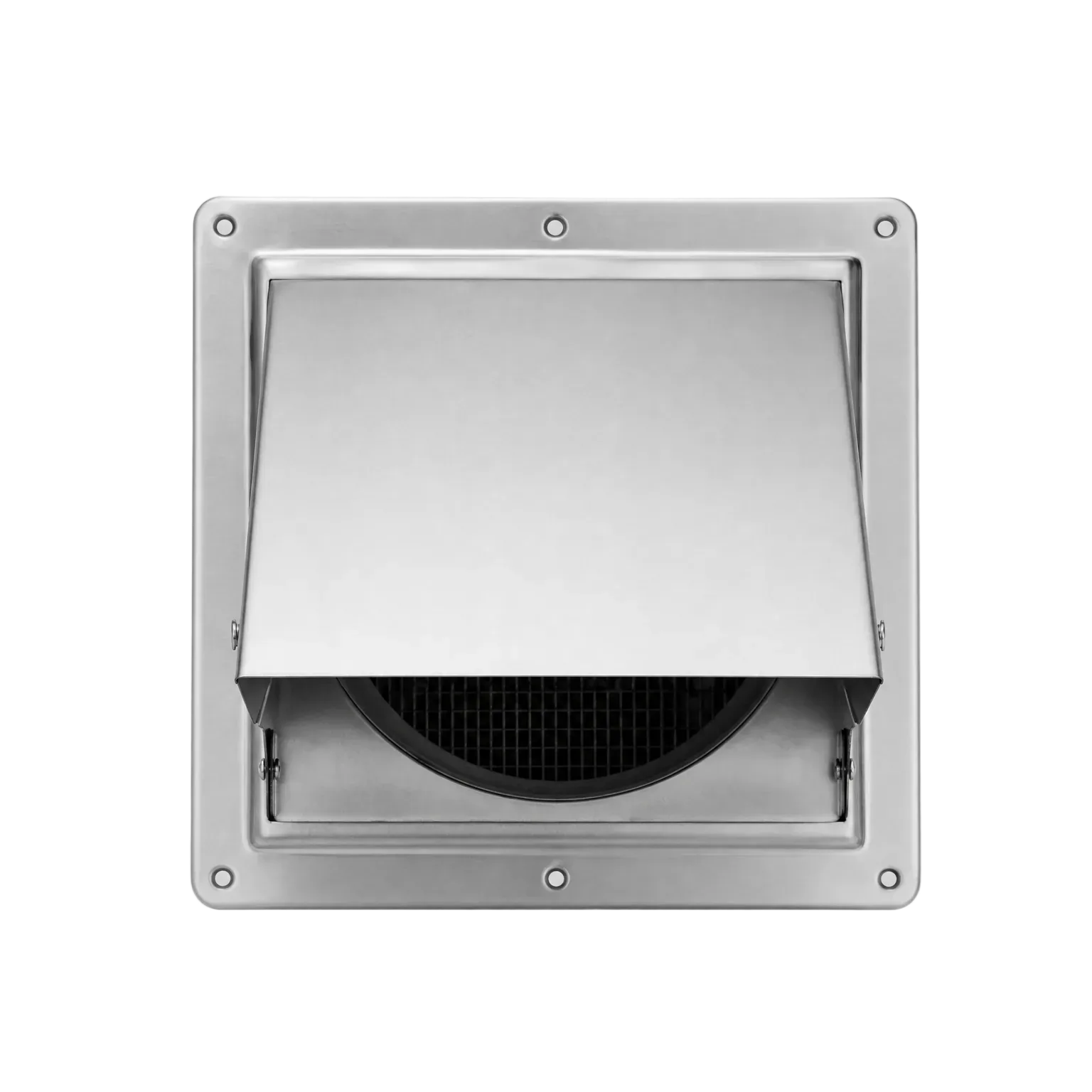
Venting clear
Air pushes straight out through the cap and the flap swings open wide with each load. A dryer running like this finishes in one cycle and the outside air stays cool to the touch near the vent.
You run a load of laundry most evenings and the dryer seems to take longer than it used to. You've heard lint buildup can start fires, but you're not sure if that's a real risk in your house or just something that happens elsewhere.
Lint is the fuel. Every load sheds some, and the vent is supposed to carry it outside along with the hot, damp air. When the vent is packed with lint, that air backs up, the dryer runs hotter than it should, and the heating element sits closer to a pile of dry, flammable material. With Nevada's dry air, lint dries out fast and catches easier than it would somewhere humid. If your dryer is taking longer to dry a normal load, or the outside vent hood barely flaps when it's running, that's usually lint buildup telling you the vent needs clearing before it becomes something worse.

Air pushes straight out through the cap and the flap swings open wide with each load. A dryer running like this finishes in one cycle and the outside air stays cool to the touch near the vent.

Lint has packed in behind the flap until it can barely move. Heat has nowhere to go but back into the dryer, and with Nevada's dry air feeding it, that trapped lint is exactly what catches.
Towels come out warm instead of dry. You run the cycle twice to get what one used to do. The top of the dryer feels hot, and so does the vent hood outside if you put a hand near it. The laundry room holds a warm, faintly burnt smell that wasn't there before, and lint turns up on the floor behind the machine instead of catching in the trap. A dryer working this hard is pushing heat into a vent that isn't letting it out, and that heat has to go somewhere. Nevada's dry air feeds lint fires once they start, so a blocked vent isn't just a slow dryer. It's a dryer heating up a space that can't clear the air it's making.

Lint is cotton fiber, dried out, sitting right where hot air passes through. Nevada air is already dry most of the year, so the lint in your vent has less moisture working against it than it would somewhere humid. A dryer vent clogged for months builds a packed layer that heats up with every load. It doesn't need a spark from outside. The heating element alone, running against trapped lint, is enough.

Go outside while a load runs. The flap should swing open with real force and you should feel warm air pushing out steady. If it barely moves, or air leaks out around the edges of the hood instead of through it, the lint has nowhere to go but back into the line. That buildup sits closest to the heating element, which is the part of the vent most likely to reach a temperature that ignites lint.
Nevada runs on electricity priced at 13.26 cents a kilowatt-hour this year, and with power this cheap, most homes here heat with gas instead. That means the dryer itself isn't pulling flame or a hot element from your gas line the way a furnace does, but the motor and heating element still run on that cheap power every evening, and a blocked vent makes them run longer and hotter to finish the same load.
EIA-861 2025 statewide residential average




Your dryer vent cleaning request goes to one local pro.
Asking costs nothing, and the choice to hire stays yours.
A gas dryer's burner isn't running the whole cycle. It fires for a second or two, heats the air to the set temperature, then shuts off until the air cools enough to need it again. That's how it's supposed to work. When the vent is clear, the hot air moves out through the duct fast enough that the cycle stays short and even.
Pack that duct with lint and the air has nowhere to go. It backs up into the duct, into the drum, into the lint trap housing, and the burner has to fire more often to push the temperature back up each time it drops. Everything downstream of the burner is now running hotter than it was built to run, for longer than it was built to run that way.
Lint doesn't need an open flame to catch. It's dry cotton fiber sitting directly in the path of that hot air, and a hot surface or a stray spark is enough. That's why most dryer fires start in the duct itself, not in the drum with the clothes, which is the part people assume is the risk.
There's a thermal fuse built in to cut power if things get too hot. It's a real safeguard, but it's a single part doing one job, and lint that's built up over years is exactly the kind of slow, steady blockage that can outlast or outpace it.


A clogged dryer vent is a real fire risk, in Nevada or anywhere else, and the dry air here just means the lint catches faster. A dryer that takes two cycles to finish a load, a vent hood that's hot to the touch, a laundry room that's warmer than it should be, all of that is the vent telling you what it needs. Clearing it is a straightforward job for someone who does it all season long and knows which vents clog fast and which runs tend to trap heat behind a stuck flap. The request that goes out from here reaches one licensed contractor local to your area, not a handful of companies competing for the callback, so you're not stuck fielding calls all evening trying to sort out who to trust. You know your dryer. You know it's been running long. Now you know what that means, and what to do about it.

Stop chasing a dryer vent pro




