
Dryer Vent Cleaning in Hawthorne, NV
Tell us about your home, and a licensed contractor who covers Mineral County will get in touch.
Tell us about the job
It takes about a minute.

Cold vents make lint stick
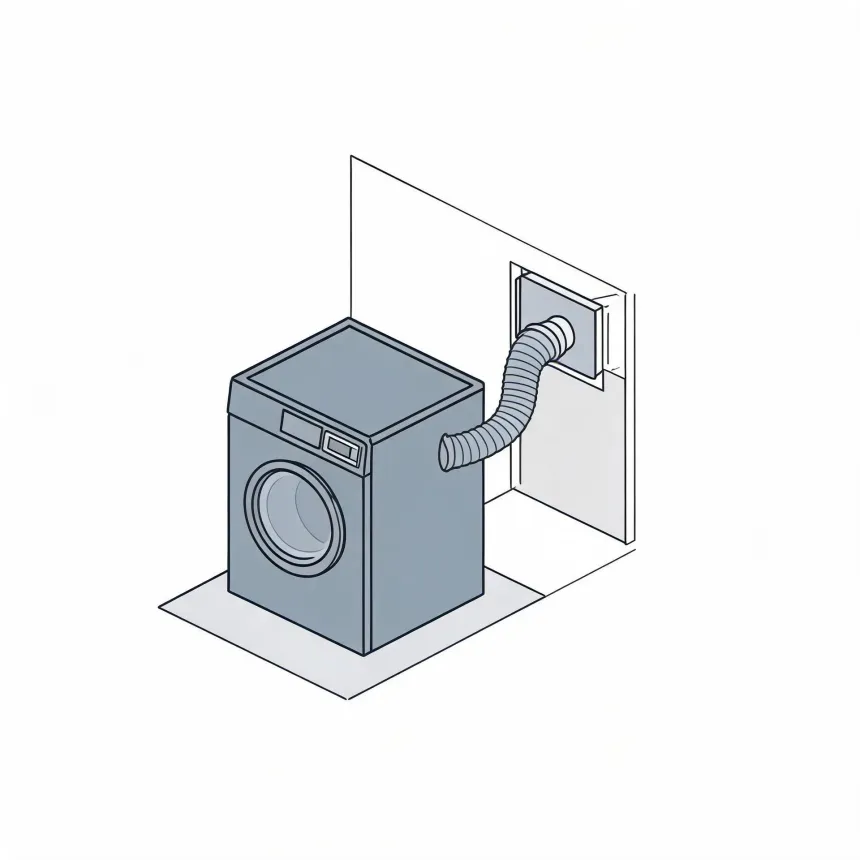
Your dryer pushes out warm, damp air every load. In Hawthorne, that air is moving through a vent that sits in cold space most of the year, with winter nights averaging 22°F from December through February. The warm air cools fast against those cold walls, and the moisture in it turns the lint damp instead of letting it blow straight through. Damp lint sticks. It builds up layer on layer along the inside of the vent instead of riding the airflow outside.
A vent that's narrowing with stuck lint forces your dryer to push harder to move the same air. That's more than a nuisance. It's the vent doing its job worse each month it goes uncleaned.
- 22°F
- the average winter night, and cold vents catch damp lint
- 8 months
- October through May, the vent stays cold
NOAA nClimDiv, 1991–2020 normals
- How often should a dryer vent be cleaned?
- Once a year for most households. If the dryer runs almost every day, have it checked sooner. Lint builds up along the whole length of the vent, not just in the lint trap, and that buildup is what slows drying time and raises the risk of fire.
- Can I clean my dryer vent myself?
- You can clean the parts you can reach, but not the whole vent. A vacuum and a brush kit will pull lint out of the first few feet near the dryer. The rest of the run, especially anywhere it bends or passes through a wall or roof, needs a longer brush and rod system to clear it end to end.
- What are the signs of a clogged dryer vent?
- Clothes taking longer than one cycle to dry is the clearest sign. Others include the dryer feeling hot to the touch on the outside, a burnt smell during the cycle, and little or no airflow when you hold your hand near the outside vent hood while it runs. Lint gathering around the lint trap door or a vent hood flap that will not open are also worth acting on.