

A furnace running the way it should
Clean burners, a steady flame, and a blower that shuts off once the house hits temperature. Air moves through the ducts without strain, and the furnace cycles the way it was built to, not longer than that.
A local pro who services furnaces gets in touch about the tune-up.
Get my matchGas is the main way homes heat here, and with power priced low and gas doing the work, most of a winter bill comes down to how hard the furnace has to run to keep up. If it's running longer than it should, something is making it work harder than the house actually needs.
A furnace that's clean and tuned burns less gas to put out the same heat. Dust on the burners, a dirty flame sensor, or a clogged filter all make the furnace run longer to reach the temperature on the thermostat, and that longer runtime is what shows up on the gas bill. A furnace that's been checked over runs its cycles the way it was built to, shutting off instead of running on. Over a winter of use, that difference adds up more than people expect. If your furnace hasn't been looked at this year, that's the first place to find savings, before the bill arrives and before the cold months are the ones testing it hardest.

A clogged filter makes the furnace pull harder to move the same air through the house. The blower runs longer to reach the temperature on your thermostat, and that extra runtime is what shows up on the bill. Nevada's dry climate fills a filter with dust fast, faster than homes in wetter states. Check yours against the light and replace it if you can't see through it.

A furnace that lights slow or struggles to stay lit burns gas without heating the house efficiently. Older units with a standing pilot waste a small amount of gas around the clock just keeping that flame going. Newer furnaces use an electric igniter instead, which only draws power when the furnace calls for heat. Either way, a furnace that cycles on and off correctly uses less gas than one that's working to catch up.

Clean burners, a steady flame, and a blower that shuts off once the house hits temperature. Air moves through the ducts without strain, and the furnace cycles the way it was built to, not longer than that.

Dust sits thick on the cabinet and the louvered vents after a summer idle. The burners work harder to put out the same heat, and a furnace in this shape runs more than it needs to just to keep the house at the temperature you set.




A furnace working against dust and a dirty filter doesn't just cost more, it runs longer every single cycle, all winter, every time the thermostat calls for heat. That adds up fast once you're into December and January, the months the furnace runs most in Nevada. A tune-up before winter catches what a dry summer left behind: dust on the burners, a flame sensor that needs cleaning, a filter that should've been swapped. None of that shows up as an obvious problem. It shows up as a bill. Checking it yourself means climbing into the cabinet, knowing what a clean burner looks like versus a dirty one, and having the tools to test the flame sensor and the pressure switch. Most homeowners don't have a reason to own any of that. Handing it to someone who does means you stop tracking down the cause and start waiting for someone to just take care of it.
A furnace tune-up isn't a once-over. It's a set sequence a technician runs through, and each step catches something specific that drives your bill up if it's missed. Gas pressure gets measured against what the manufacturer specs for that model, because a flame running low on pressure can't heat the air as fast, so the burners stay on longer to hit the same number on your thermostat. The flame sensor gets pulled and cleaned if it's picked up a coating, which happens over time. A dirty sensor reads the flame wrong and shuts the burners off early, so the furnace fires up again a minute later, and that start-stop pattern never lets the house settle at the temperature you set. The heat exchanger gets a close look for cracks, since a cracked one can trip the furnace's safety switch mid-cycle and force a restart, which costs you both the gas already burned and the time to catch back up. If the furnace uses a belt-driven blower, the belt and motor get checked for wear, because a motor straining against a worn belt pulls more power to move the same air. The ignitor gets tested under load, since a weak one can fail to light the burners on the first try, and every retry is gas spent before any heat reaches your ducts. Loose seams where the ductwork meets the cabinet get checked too, because air leaking out there is heat you already paid to make.


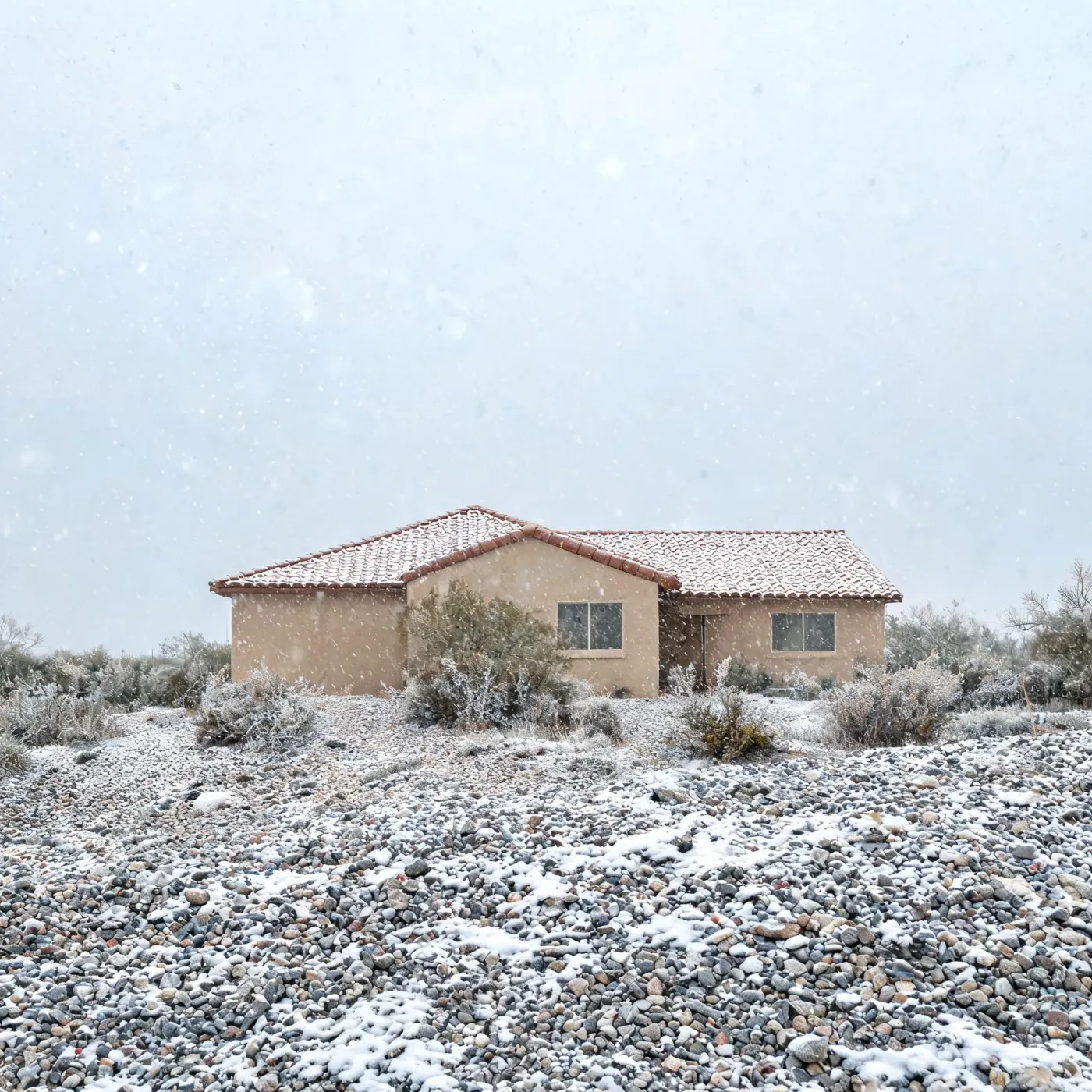
Winter nights average 33°F statewide, according to the National Weather Service. That's cold enough for your furnace to run most of the night, not just kick on for a few minutes before the house warms up. Once it cycles on, it stays on until the thermostat is satisfied, and a longer cycle means more gas burned to get there. You'd notice it in a house that takes a while to feel warm, or a furnace that seems to run in long stretches rather than short bursts. That's the furnace working harder than it should to hold the temperature you set it to.
NOAA nClimDiv 1991-2020 county normals weighted by homes
You'd notice it most at night. The furnace kicks on and it doesn't shut off for a long stretch, longer than it seems like it should to hit the temperature on your thermostat. Some rooms stay cooler than others no matter how long it runs. The air coming out of the vents feels weaker than it used to, not as warm or not moving as fast. You might hear it cycling on and off more often through the evening, or notice the burner flame looks uneven if you can see it through the access panel. None of this means the furnace is about to fail. It means it's working harder than it needs to, and that extra work is what's driving the bill up each month.


33°F is below freezing once you factor in the usual nighttime dip, so most nights the furnace isn't cycling on and off, it's holding a long steady burn. A furnace that's clean and tuned handles that fine. One that's dusty or low on gas pressure works harder to do it, every night, all winter.
NOAA nClimDiv 1991-2020 county normals weighted by homes
The answer to a high winter bill in Nevada almost always comes back to the same thing: a furnace working harder than it needs to, for longer than it needs to, to hit the same temperature on the thermostat. A tune-up checks the gas pressure, cleans the burners, clears the flame sensor, and gets the furnace back to running the way it was built to run. That's it. There's no trick beyond that. If you've read this far wondering whether your furnace is the reason the bill climbed, it's worth having someone look at it before the coldest months hit. Once you send the form, you're done with the part that takes effort. A contractor who covers your area gets your request and reaches out, and from there it's their job to find the problem, not yours.

A furnace pro near you