
HVAC Repair in Crescent Valley, NV
Homes here need heat from September through June and cooling from July through August. If your system quits, tell us what it's doing and a licensed contractor who covers Eureka County will get in touch.
Tell us about the job
It takes about a minute.
Ten months of heat, two of cooling, and not much room in between
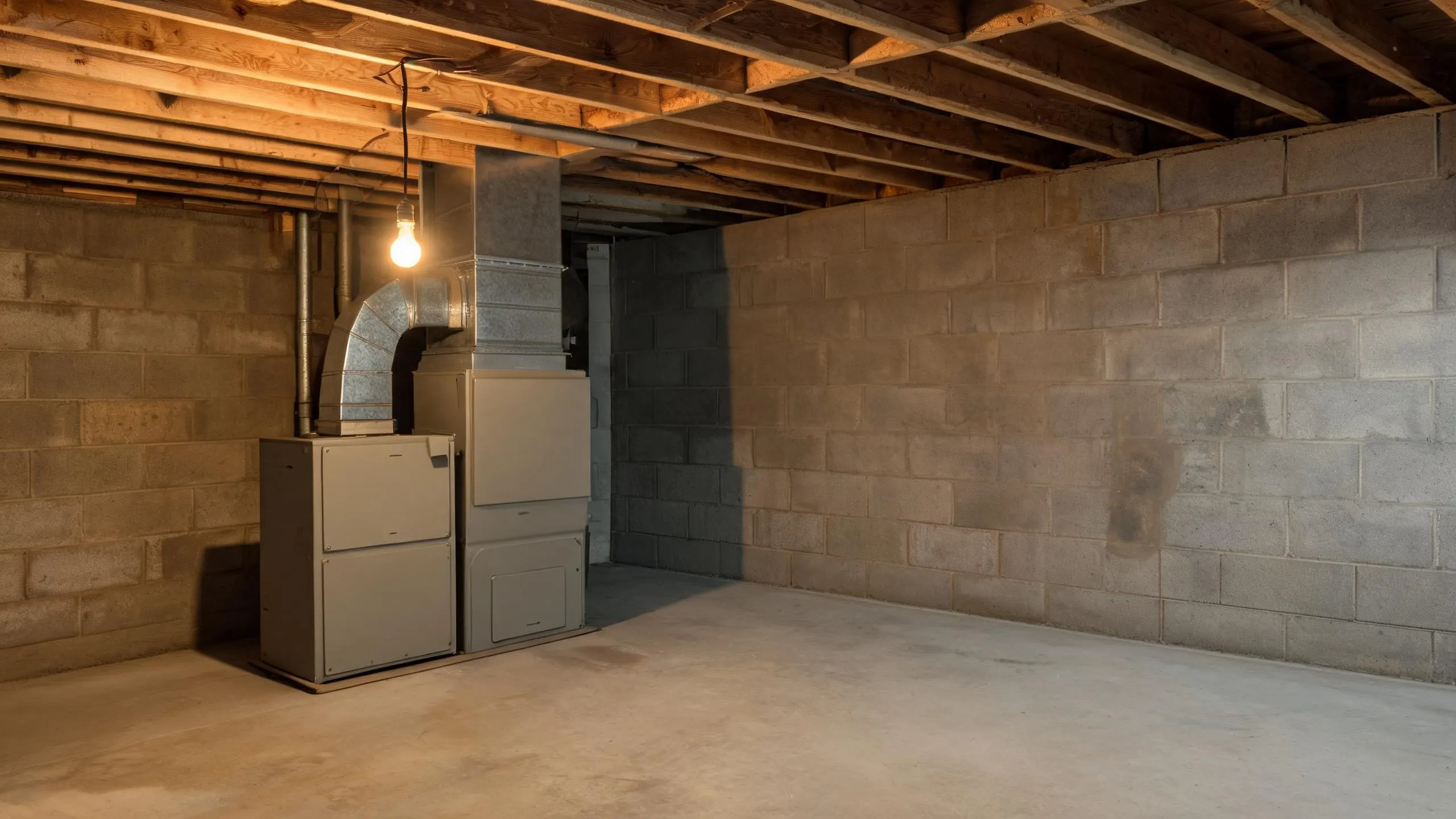
Your furnace is the machine that matters most here. It runs from September through June, and on nights that average 18°F it cycles on and off for hours at a stretch. Each start puts a load on the igniter and the burner. Somewhere in a winter this long, one of them gives out and the house goes cold instead of warm.
July and August ask the opposite of your system. Afternoons averaging 84°F push the air conditioner to keep up, often after months of sitting unused while the furnace did the work. A capacitor or a contactor that sat idle all winter is more likely to fail the first hot week it has to run. On top of the temperature swings, this area has logged 101 winter storms and 97 damaging wind events over the past ten years, and Nevada households saw real power outages last year. When the power drops, your system stops with it, and it needs to come back on and hold the house steady until it's restored.
- 10 months
- September through June, your system heats
- 2 months
- July through August, it cools
- 18°F
- the average winter night it heats against
- 84°F
- the average summer afternoon it cools against
NOAA nClimDiv, 1991–2020 normals
Nevada requires HVAC contractors to hold a state license.
The Nevada State Contractors Board issues that license, and it tests the contractor before handing one out. The board keeps a record of who holds one, and the license belongs to the person or company doing the work, not to any single job they take on.
For a repair job like this one, that license is what stands behind the work. Whoever comes out to fix the system holds a license number on file with the board, and that number covers them as a contractor, not just this particular repair.
Sources: Nevada Legislature · Nevada State Contractors Board
- Why is my heat not working?
- Start with the thermostat. Check that it's set to heat and the temperature is set above the room temperature, and check the batteries if it has a screen that looks dim. If the thermostat looks fine, check the breaker for the furnace or air handler, since a tripped breaker will stop it cold with no warning. A furnace that won't fire can also be a closed gas valve, a dirty flame sensor, or an igniter that's worn out. With winter lows here averaging 18°F, a furnace that's short cycling or blowing cold air needs a contractor before the next cold night, not after.
- Why is my system running but not cooling the house?
- Check the filter first. A filter clogged with dust blocks airflow across the coil, and the coil can freeze over when that happens, which makes the problem worse the longer it runs. Next check the outdoor unit and clear away any leaves, dirt or grass clippings sitting against it, since it needs open airflow to release heat. If the filter is clean and the outdoor unit is clear but the air coming from the vents isn't cold, the system likely needs refrigerant or has an electrical fault, and that calls for a licensed contractor to diagnose.
- What can I check before calling for HVAC repair?
- Check the thermostat settings, the batteries if it uses them, and the breaker for the system before anything else. Check the filter and replace it if it's visibly dirty, since restricted airflow causes a lot of the problems that get called in as something worse. Look at the outdoor unit for anything blocking it and check that all vents in the house are open and unobstructed. If everything checks out and the system still isn't heating or cooling right, a licensed Nevada contractor will need to diagnose it, since Nevada requires HVAC contractors to hold a state license for this kind of repair work.