Why your dryer takes so long to dry in Nevada

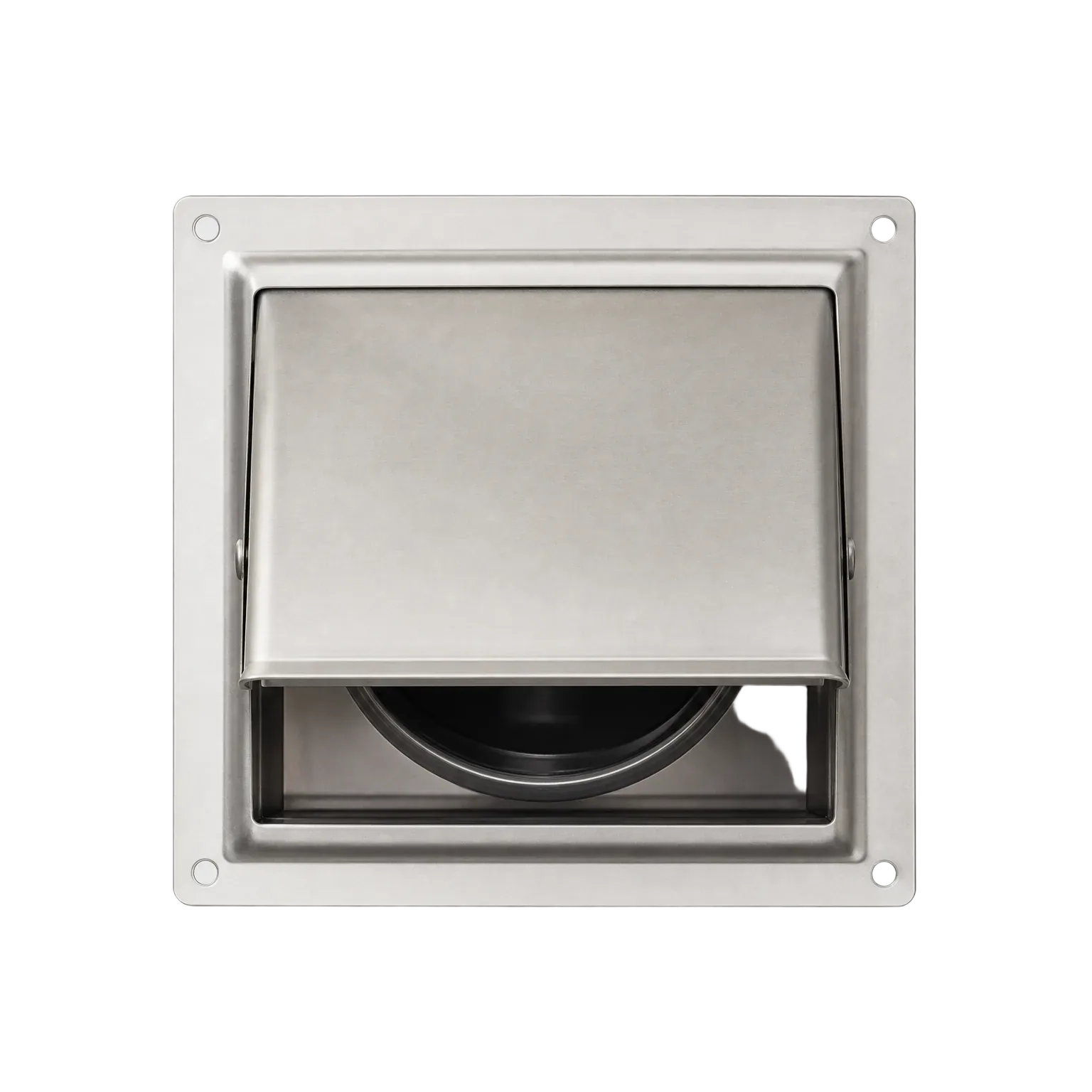
A square stainless steel wall vent with four corner screw holes and a hinged flap cover, partly open to reveal a dark circular duct opening, shown against a plain light gray background.
Hand it off

A dryer that runs two or three cycles to get clothes dry usually has a vent that's clogged, not a broken heating element. Lint builds up inside the vent pipe over time, and once it narrows the path, the hot moist air has nowhere to go. The drum keeps heating, but the moisture just sits in the clothes instead of leaving the house. Nevada's dry summer heat can mask this for a while, since the air pulled into the dryer is already dry, but a blocked vent still forces the machine to work far longer than it should. A long dry time also means warm humid air is backing up somewhere behind your dryer instead of venting outside, which is extra heat and moisture sitting in your laundry room. The fix isn't a new dryer. It's clearing the vent so air can move through it the way it was built to.


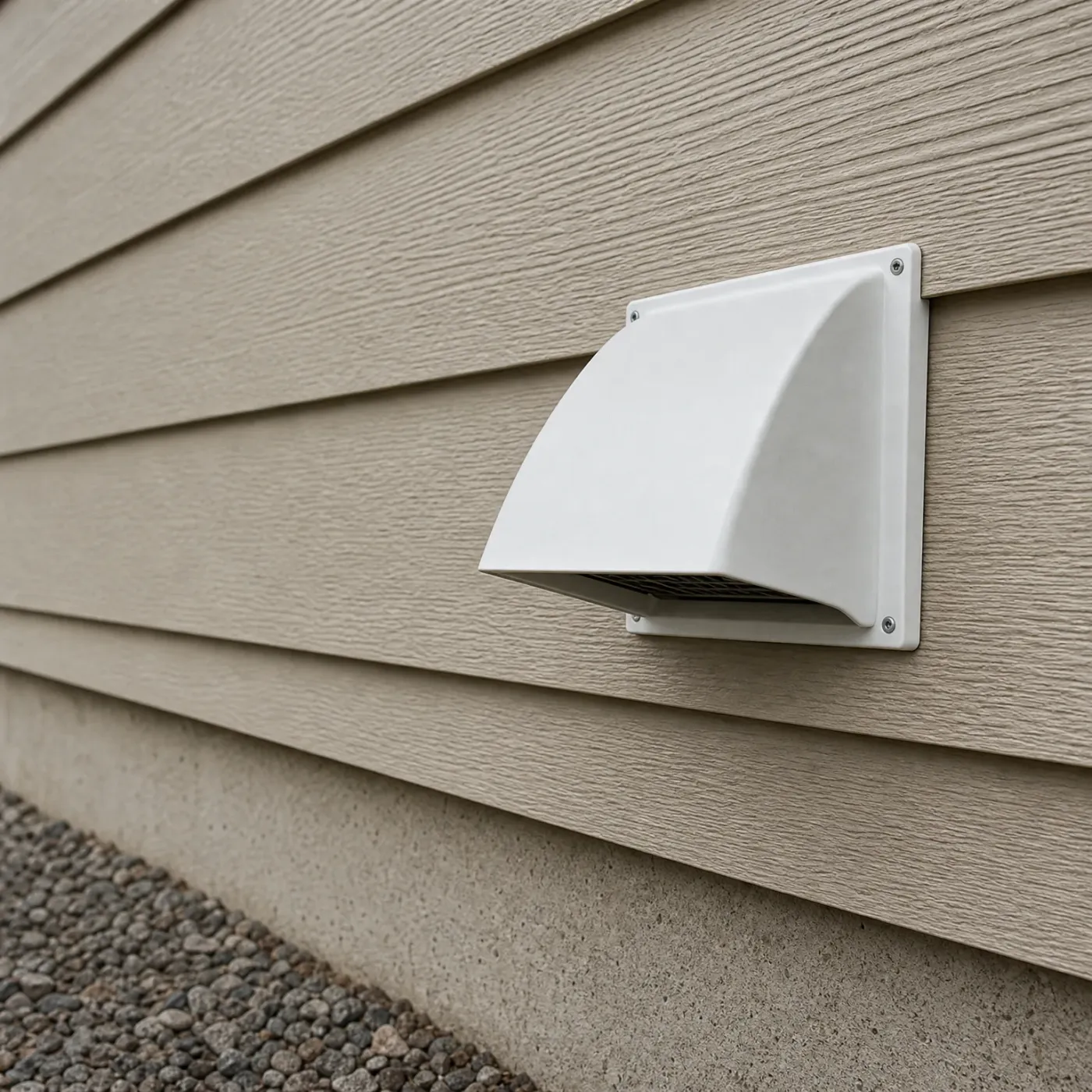
A white hooded louvered vent mounted on beige horizontal lap siding above a stucco foundation wall bordered by river rock gravel.
A clear vent lets hot, moist air escape outside in one steady push, so a cycle ends when the timer says it should.
A white plastic hooded dryer vent with a lint-covered screened opening mounted on beige horizontal vinyl siding above a concrete foundation.
A screen clogged with lint traps that air inside the drum, so the dryer keeps heating and running long after clothes should be dry.

Where the air actually goes

  • Every dryer forces hot air through a pipe to the outside wall, and that pipe is where lint actually collects, not inside the drum.
  • A full load pushes a lot of moisture into that airflow, and if the pipe is narrowed, the air carries the moisture back into the drum instead of outside.
  • Dryers with longer runs to the outside wall or more bends in the pipe build up lint faster at each turn.
  • The sensor that tells the dryer clothes are dry reads moisture in the air inside the drum, so trapped moist air keeps the cycle going.
  • A dryer fighting a blocked vent pulls in more room air to make up for what isn't venting, which is why the room gets warmer during a long cycle.
  • Lint buildup happens gradually over many loads, so the extra cycle or two creeps in slowly enough that it can go unnoticed for months.

Every dryer works the same basic way. The drum tumbles clothes while heated air moves through them, and a fan pushes that air out through a pipe that runs to the outside wall. Lint rides along in that airflow. Most of it is supposed to catch in the lint trap, but some always gets past it and collects further down the pipe, especially at elbows and bends. The longer the run to outside, or the more turns it takes, the more places lint has to build up.

A full load of wet clothes puts a lot of moisture into that air, and the dryer depends on getting rid of it in one pass. If the pipe is narrowed by lint, the moist air doesn't leave as fast as it should. Some of it backs up into the drum. The dryer has a sensor that checks the air inside the drum for moisture, and as long as it reads wet, the dryer keeps running. So it adds another cycle, then sometimes another, trying to finish a job the vent won't let it finish.

You'll likely notice the room running warmer than usual on those long cycles. That's the dryer pulling in more room air to replace what isn't making it outside. None of this happens all at once. It's a slow buildup, one load at a time, until a year in you're running two cycles for what used to take one.


A smiling bearded man in a dark blue henley shirt sits leaning back on a light grey sofa in a living room, with a bowl of popcorn on a wooden coffee table and a large window behind him.
A bearded man in a dark quarter-zip sweater sits smiling on a brown sofa in a dimly lit living room, with a bowl of popcorn and a mug on a table in the foreground and a potted plant near a window behind him.
A smiling man with graying dark hair and a beard, wearing an olive sweater, sits on a sofa in a living room beside a bowl of popcorn on a wooden table.
A smiling man in a dark green henley shirt sits on a gray sofa in a living room with a lit table lamp, wooden shelving unit, and a bowl of popcorn in the foreground.
A white hooded exterior vent cover with a screened opening mounted on beige lap siding above a concrete foundation and gravel strip.

Done looking for a dryer vent pro

Skip searching for a dryer vent pro and answer a few questions instead.

One request and the dryer vent cleaning stops waiting on you.

Hand off the search

It costs nothing to send, and you don't have to hire anyone.

Is your dryer taking longer than it used to?

You load it the same way you always have, but now it runs a second cycle, sometimes a third. The top of the dryer feels hot to the touch. The laundry room smells warm and a little stale instead of clean. Clothes come out hotter than they should, and the lint screen fills up fast even when you clear it every load. With Nevada summers already pushing your AC hard, a dryer running two or three extra cycles a day adds heat and run time you don't need. Left alone, a blocked vent means the dryer works harder each load, and the heat has fewer places to go but back into the house.

A white hooded dryer vent cover mounted on beige horizontal vinyl siding above a concrete foundation wall with gravel at the base.

Open and clear

This is what a vent cap should look like. Air passes through the hood and out past the screen with nothing slowing it down. A dryer venting like this runs one cycle and shuts off on schedule.

A square plastic dryer vent hood mounted on light-colored horizontal lap siding above a concrete foundation, with gray lint clogging its screened opening.

Clogged with lint

This hood is packed with lint and can barely push air past the screen. Nevada's dry air lets lint build up fast, and once it piles up here, the dryer runs longer every time trying to push air through it.


Clean the Vent or Replace the Dryer

Clean the vent

  • A straight shot of lint out of the pipe usually brings the dryer back to one cycle right away.
  • Nevada's dry air means the lint inside the pipe stays dry and loose, so a thorough cleaning clears it completely rather than leaving damp clumps behind.
  • The heating element and the thermostat were never the problem, so nothing about the dryer itself needs replacing.
  • A cleaned vent lowers the risk of a lint fire, since packed lint sitting against a hot duct is what starts them.
  • Gas dryers push both heat and combustion exhaust through that same vent pipe, so clearing it matters more than it does for an electric dryer.

Replace the dryer

  • A new dryer heats the same drum through the same clogged pipe, so the second and third cycles keep happening.
  • Power here is cheap, but running a dryer two or three times a load still adds up to more hours than one cycle would.
  • A new heating element or thermostat fixes a part that was never broken, while the vent stays exactly as narrow as before.
  • Nothing about a replacement clears the lint already packed between the back of the dryer and the outside wall.
  • The lint fire risk tied to a blocked vent follows the new dryer home unless the pipe itself gets cleared.
A white plastic dryer vent hood mounted on horizontal lap siding, clogged with gray lint at its lower opening, above a concrete foundation and walkway.
Before you get your dryer vent cleaning
A white plastic hooded dryer vent with a screened opening mounted on gray horizontal lap siding above a concrete foundation and gravel bed.
After you get your dryer vent cleaning

Power costs 13.26 cents per kilowatt-hour statewide

At 13.26 cents a kilowatt-hour, a dryer running a second or third cycle every load adds up fast on your bill. A clogged vent is why it's working that hard. Clear the pipe and the dryer goes back to shutting off on one cycle.

EIA-861 2025 statewide residential average

  1. A technician checks the hood outside to see how much lint is already packed in.

  2. A brush feeds through the pipe from the outside wall toward the dryer.

  3. Lint knocked loose gets pulled out and vacuumed from the line.

  4. The hood and screen get cleared so air can push straight through again.

A closed laptop and a ceramic mug of dark coffee sit on a wooden table, with a blurred kitchen counter, potted plant, wooden utensils and cutting boards, and a large window in the background.

A long dry cycle means a blocked vent, not a weak dryer

If your dryer needs two or three runs to get a load dry, the vent pipe is the problem. Nevada's dry air keeps the lint loose instead of clumping, so a full cleaning clears the line and the dryer goes back to shutting off on time. That's the whole answer.

Finding someone to do that work is the part that takes evenings you don't have. Looking up vent cleaning companies, calling a few, explaining the same thing about your dryer running long on every load, then sitting with quotes to see who's worth it. Send the form and that search is done. You'll know who's handling it without making another call.


A living room with a cream sofa and knit throw beside a window, with a wooden coffee table in the foreground holding a round woven tray, a small bowl, and a speckled vase of green leafy branches.
A woman with dark hair in a bun sits on a beige sofa under a knit blanket with her eyes closed and an open book in front of her, with a lit lamp and houseplant in the background.
A smiling bearded man in a dark sweater sits at a dinner table with lit candles, a glass of red wine, and bowls of food, in a dimly lit room with a lamp and houseplant behind him.

Dryer Vent Cleaning

It's off your list after this

One form replaces the calls you'd make to find a dryer vent pro.

A black-framed smartphone standing upright against a plain white background, its screen filled with solid green.
Duct and vent cleaningNevada
Step 1 of 3

What kind of equipment?