Ductwork that's sized and sealed right
A furnace feeding tight, properly sized ductwork pushes air evenly to every room. The upstairs gets its fair share because nothing is leaking into the basement or the attic along the way.

Upstairs rooms stay cold while the furnace runs and runs downstairs. You have probably already checked the vents are open and changed the filter, so the problem has to be something else. Nevada winters can get cold enough overnight that a gap like this is more than an annoyance, and it is worth knowing why it happens before calling someone out.
Heat rises on its own, but a furnace still has to force warm air up through the ductwork to reach a second floor, and that takes more fan pressure than most single-system setups were built to deliver. As that warm air moves up, the cooler air downstairs sinks and crowds the return vents, so the furnace keeps calling for heat while upstairs lags behind. In a gas furnace home, this usually points to a duct balance problem, a blocked or undersized duct run to the upstairs rooms, or a return vent that's choking the airflow before it ever reaches the blower. None of that fixes itself by raising the thermostat.

A furnace feeding tight, properly sized ductwork pushes air evenly to every room. The upstairs gets its fair share because nothing is leaking into the basement or the attic along the way.

Galvanized ductwork that's aged, crushed, or never sized for the upstairs runs forces the furnace to work harder while rooms above stay cold. The air is leaving the furnace. It just isn't getting there.
You've probably noticed it's not every night. Upstairs is tolerable when it's mild out, then falls off fast once temperatures drop hard, which is when a furnace runs longest and leaks or weak airflow show up most. You might feel a draft near the ceiling vents even with the furnace on, or notice the air coming out upstairs feels barely warm compared to downstairs. Some rooms are worse than others, usually the ones farthest from the furnace. Left alone, the furnace keeps working harder to make up the difference, which shows up as longer run times. The gas bill reflects that, even with power here being cheap.
The furnace fires and the blower pushes air into the ducts.
Air splits between runs going upstairs and runs staying downstairs.
Leaky or crushed ducts bleed air out before it reaches the vents.
Downstairs rooms get full force while upstairs gets what's left.


The blower only moves so much air, and it takes the easiest path out of the furnace. Warm air rises on its own, but that doesn't help the upstairs rooms if the blower isn't pushing hard enough to overcome that pull through the ductwork. A lot of the problem comes down to return air. If there's no return duct upstairs, or it's too small, air has nowhere to flow back to the furnace, and the whole system slows down trying to make up for it. Blocked or pinched ducts raise the pressure inside the system, and the blower sends air wherever resistance is lowest, which is usually a short run downstairs. A blower motor running on a weak capacitor loses speed, and the first rooms to lose air are the ones furthest from the furnace. Even a single damper stuck in the wrong position inside the trunk line can route most of the air to one floor and starve the other.




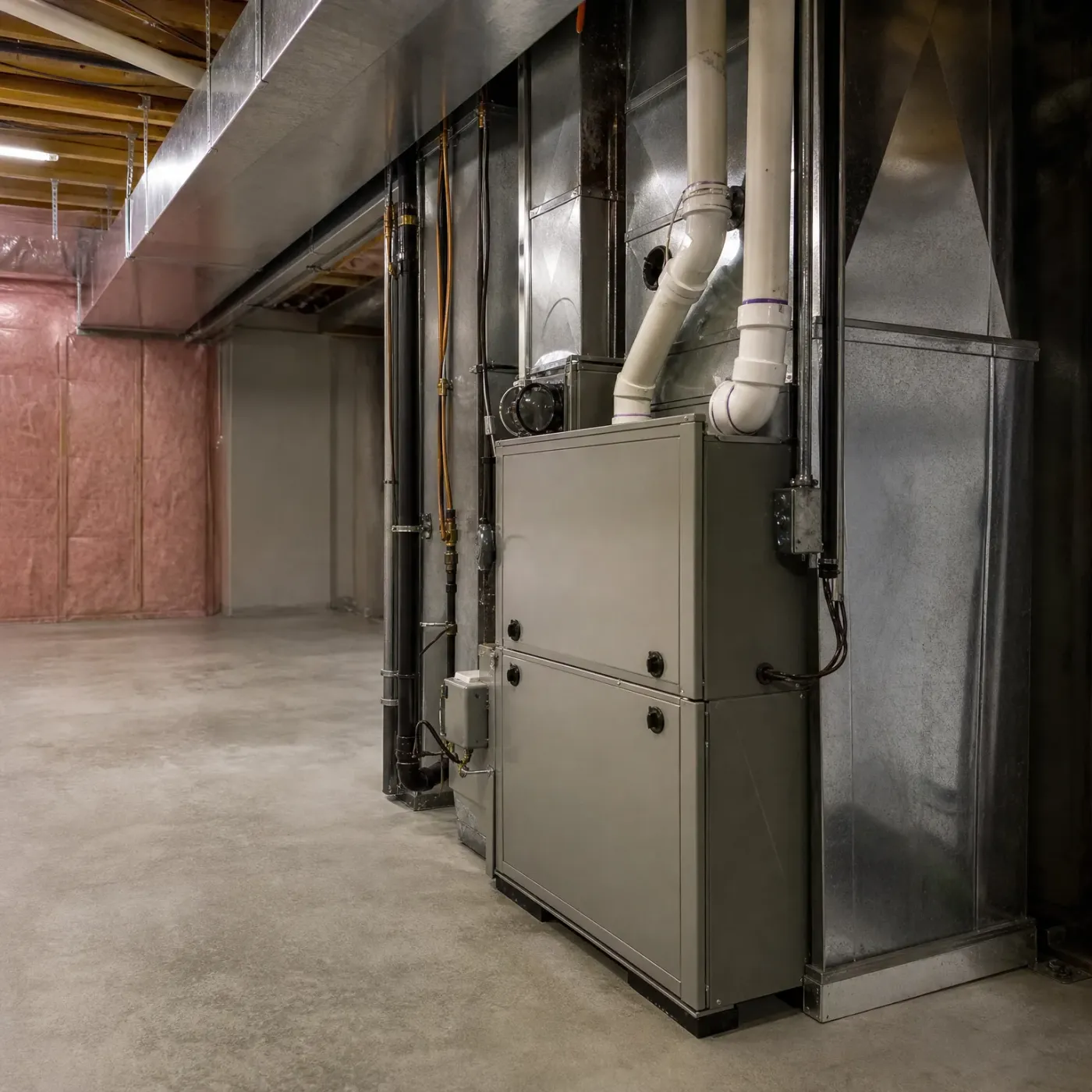
Answer a few questions instead of calling shop after shop.
Get the furnace repair search off your mind today.
Asking costs nothing, and the choice to hire stays yours.

You've probably already caught yourself closing the upstairs doors to keep what warmth there is in one room, or running a space heater in the bedroom so the kids can sleep without three blankets. That's a workaround, not a fix, and it means the furnace downstairs is working hard while half the house still isn't comfortable. Power is cheap here, but a furnace that runs long and still can't heat the upstairs is losing air somewhere it shouldn't, and that's a duct problem or an airflow problem a thermostat adjustment won't solve.
Left alone, it tends to get more noticeable as the nights get colder, not less. You already deal with small problems before they turn into bigger ones, so you know the next step isn't guessing at fixes, it's getting a contractor who can actually look at the ductwork and the blower and tell you what's going on. Send the form once and you're done hunting through listings, calling around to see who answers, and repeating the same description of your cold upstairs to every new voice on the phone.


A gas furnace only moves heat as far as its blower can push air. Natural gas is cheap to run here, so a furnace sized for your whole house isn't holding back on fuel. If upstairs still runs cold, the gas side is doing its job. The air just isn't making the trip, which points at the blower's output or what's blocking it in the ducts rather than the furnace itself.

A contractor can check static pressure at the furnace to see how hard the blower is working against the duct system. High pressure means something downstream is restricting flow, a crushed run, an undersized return, or ducts choked with leaks. Low pressure upstairs compared to downstairs confirms air is taking the easy path and never reaching the second floor at the volume it needs.
Averaged across Nevada, winter nights sit around 33°F from December through February. That's close to freezing for hours at a stretch, so your furnace is running long stretches to hold the house steady. A system working that hard every night has no slack left to cover for ducts that are leaking or undersized upstairs.
NOAA nClimDiv 1991-2020 county normals weighted by homes
Calling about a cold upstairs now means a contractor looks at the ducts while the weather is still mild and nothing has failed outright. There's time to diagnose it right, check static pressure, find the leak or the missing return, without anyone standing in a cold room waiting on an answer. Once it's found, fixing it stops being a guess.
Wait, and the same problem is still there once Nevada hits its coldest nights in January. Now you're searching for a contractor while the upstairs is unlivable, calling around to see who can even come out, explaining the same thing to three different people before one of them can look at it. The duct problem doesn't get worse on its own, but your patience for space heaters and closed doors runs out a lot faster at 25°F than it does now. Sending the form once means you're not the one doing that legwork.


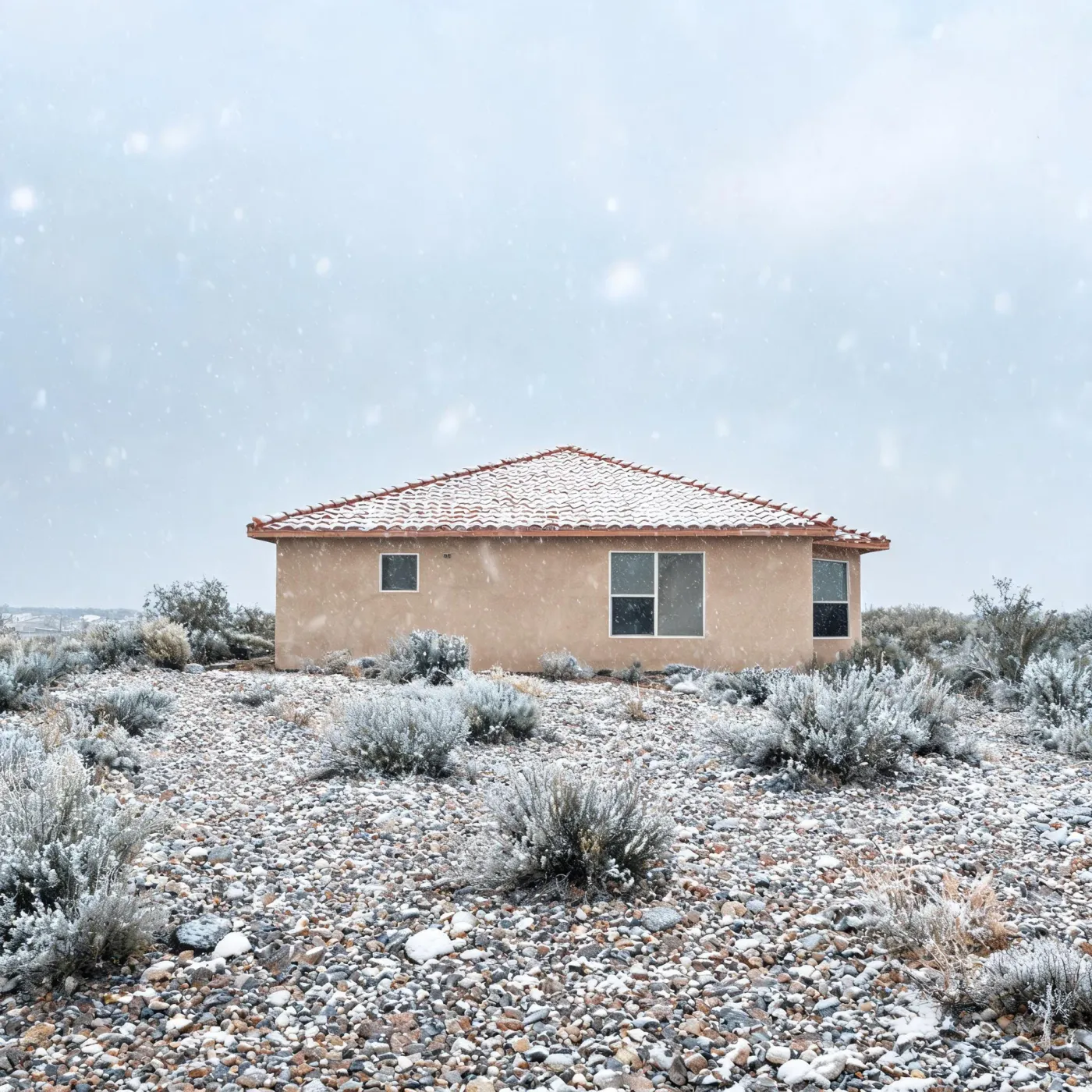
Statewide, winter nights average 33°F from December through February, per NOAA data. That's cold enough that your furnace has to run long stretches just to hold the thermostat where you set it, and a long burn gives a weak blower or a leaky duct run more time to show itself. Downstairs, close to the furnace and the return, you might not notice anything wrong. Upstairs, at the far end of the duct run, the same night can feel ten degrees colder. The furnace isn't resting either way. Where the air actually ends up is the real question.
NOAA nClimDiv 1991-2020 county normals weighted by homes
A cold upstairs in winter almost always comes down to the ducts, the blower, or how the air was balanced between floors, and a furnace technician can find which one it is in your house. You already know it's not the filter and it's not a closed vent. What you don't have is the time to call around, explain the cold bedrooms and the thermostat setting to three different companies, and then sit with quotes trying to guess who actually knows ductwork. Send the form once and that part is done. You won't be the one tracking down who's available, who calls back, or who actually shows up. Upstairs will either need sealed ducts, a fixed return, or a blower that's pushing harder than it currently can, and someone licensed to work on furnaces in Nevada can tell you which one you're dealing with. The cold rooms are the symptom. What's actually wrong is specific to your house, and that's worth knowing before another hard freeze hits.
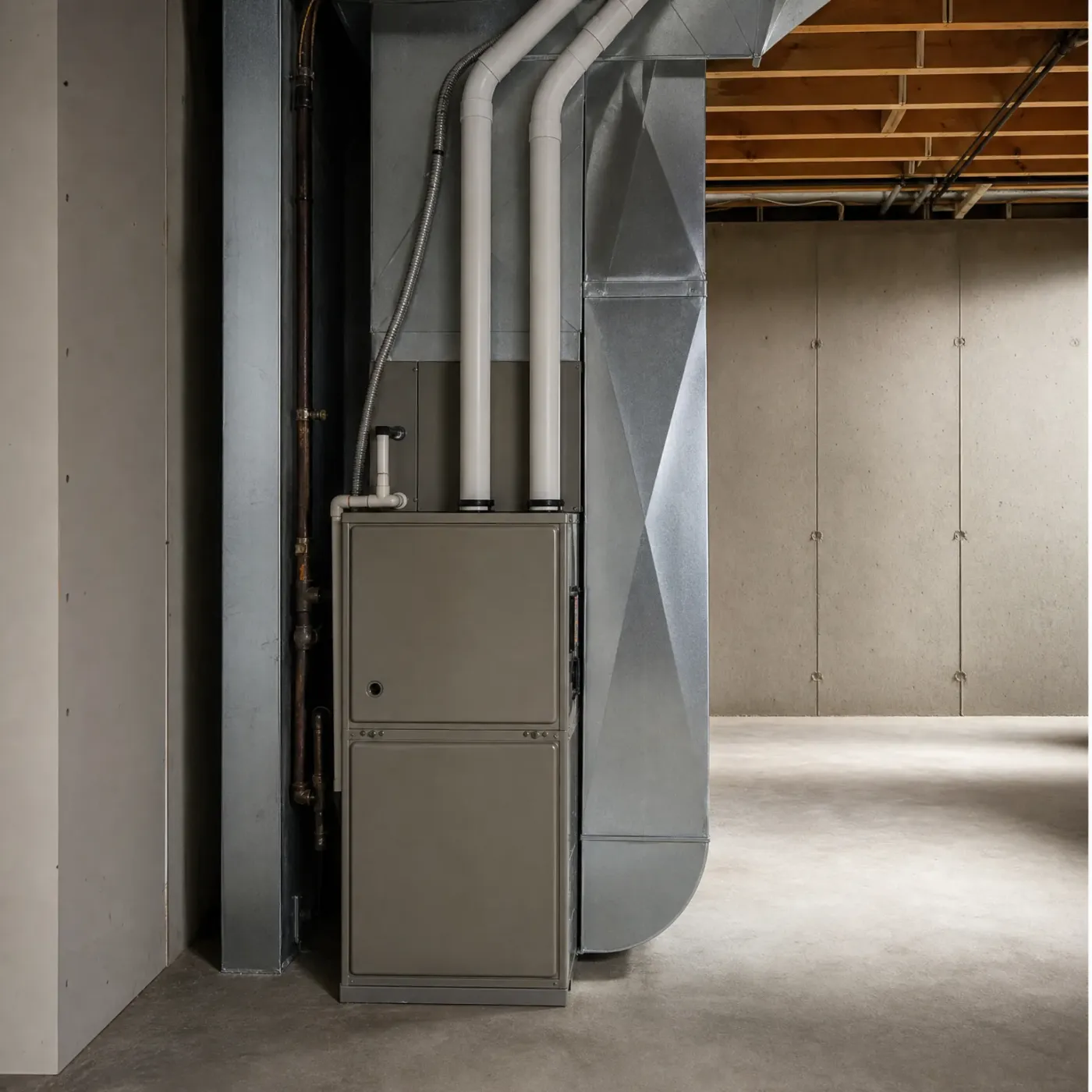
Describe your furnace job once, to one pro.
No fee to send it, and nothing to sign.